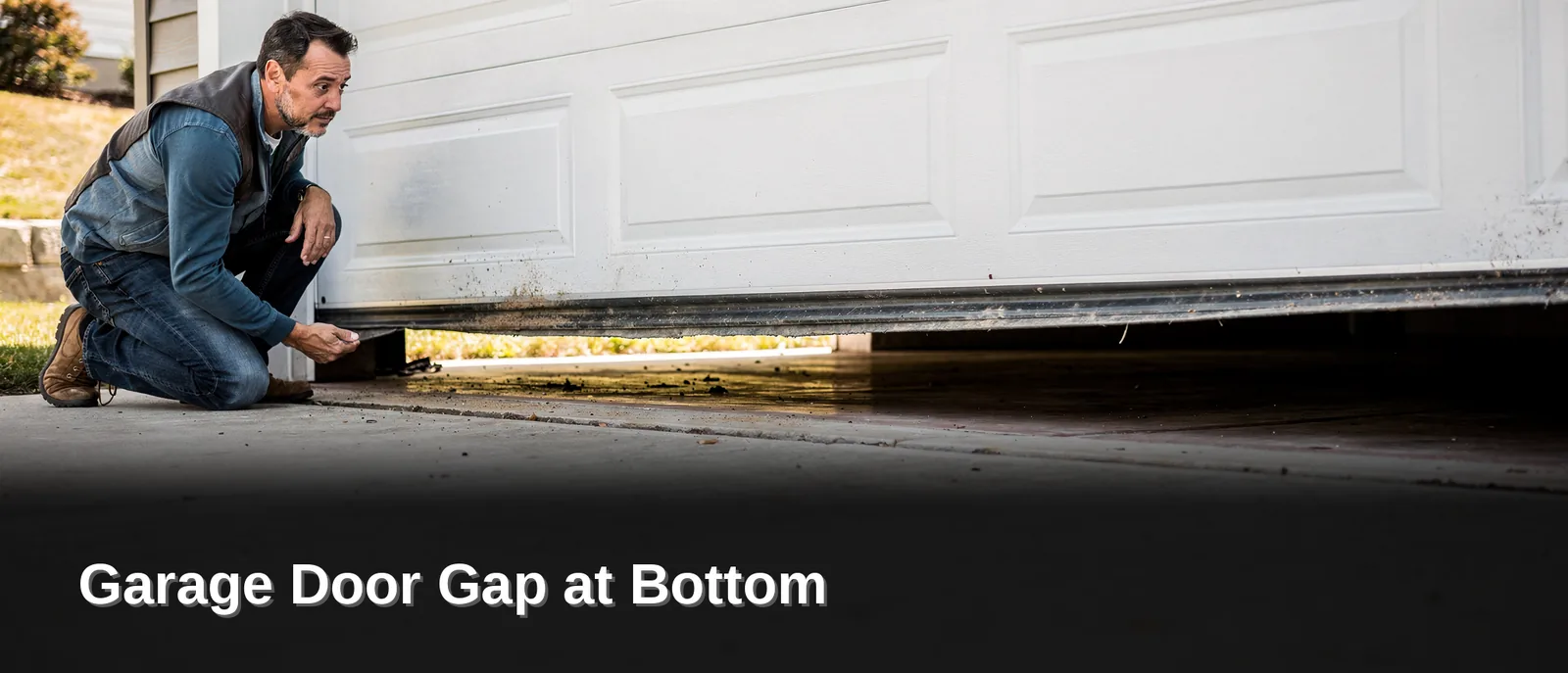
Bottom gaps in garage doors typically result from worn weatherstripping, uneven concrete, or misaligned tracks, letting in drafts, water, and pests. Precision Garage Door of Long Beach recommends inspecting the bottom seal first, then adjusting track alignment or replacing the astragal. Persistent gaps often signal foundation settling and require professional evaluation for a lasting, secure fit.
Key Takeaways
- Building codes aim to minimize bottom corner gaps to prevent wood rot on concrete foundations.
- Gaps at the garage door bottom allow drafts, water leakage, and pest entry into your home.
- Foundation settling, component shifts, and material wear create gaps over time that worsen without repair.
- Concrete slope changes from remodeling projects can prevent garage doors from closing completely and sealing properly.
What Causes a Gap Under Your Garage Door?
Worn locking components and misaligned tracks rank among the top causes of a [garage door gap](https://precisiondoorlongbeach.com/how-to-fix-a-garage-door-that-wont-lock) at the bottom. Excessive pressure from the opener also keeps the panel from seating flush against the floor. Daily sun exposure and ocean air along the Long Beach coastline speed up wear on seals and tracks, widening gaps over time.
These issues rarely appear overnight. Locking problems and bottom gaps typically develop gradually through everyday use, as small misalignments compound with every open-and-close cycle. A door that closed perfectly last year may now rest unevenly on the slab.
Can a New House Still Develop a Garage Door Gap?
Yes. New construction settles over months and years. That shift can move door components out of alignment, even in recently built homes. Materials also wear down naturally, loosening the fit between the garage door bottom seal and the concrete beneath it.
Common contributors include:
- Misaligned or bent tracks
- Worn locking hardware
- Opener tension set too high
- Coastal sun and salt air breaking down garage door weatherstripping
- Gradual home settling
Each factor narrows the margin for a tight seal, and identifying which one applies determines the right repair.
Why Is a Bottom Door Gap a Problem?
A garage door gap at the bottom corners creates an open invitation for wind, rodents, and insects. Homeowners often notice the issue only after spotting debris or droppings near the garage floor. Left unchecked, the opening widens the path for drafts, water leakage, and pest entry, while also straining the door panel and opener components.
Small gaps rarely stay small. Strain builds with every cycle of an uneven seal. That strain can worsen the problem and raise repair costs over time.
Can a Small Gap Really Cause Big Damage?
Yes. A door that will not close. Seal fully quickly becomes a safety and security concern, not just a cosmetic one. Moisture seeping through an unsealed edge can warp wood panels or corrode metal tracks over time. Pests squeezing through a corner gap often nest inside wall insulation, causing damage that stays hidden for months.
What Happens If You Ignore the Gap?
Ignoring the gap lets wind-driven rain and debris collect along the base of the door. Over time, this added pressure affects opener performance.
Common consequences of an unsealed gap include:
- Drafts that raise energy costs
- Water leakage during storms
- Pest entry from rodents and insects
- Added strain on the opener and track
A properly fitted garage door bottom seal paired with quality garage door weatherstripping prevents these cascading problems before they start.
How Do You Fix a Garage Door Gap?
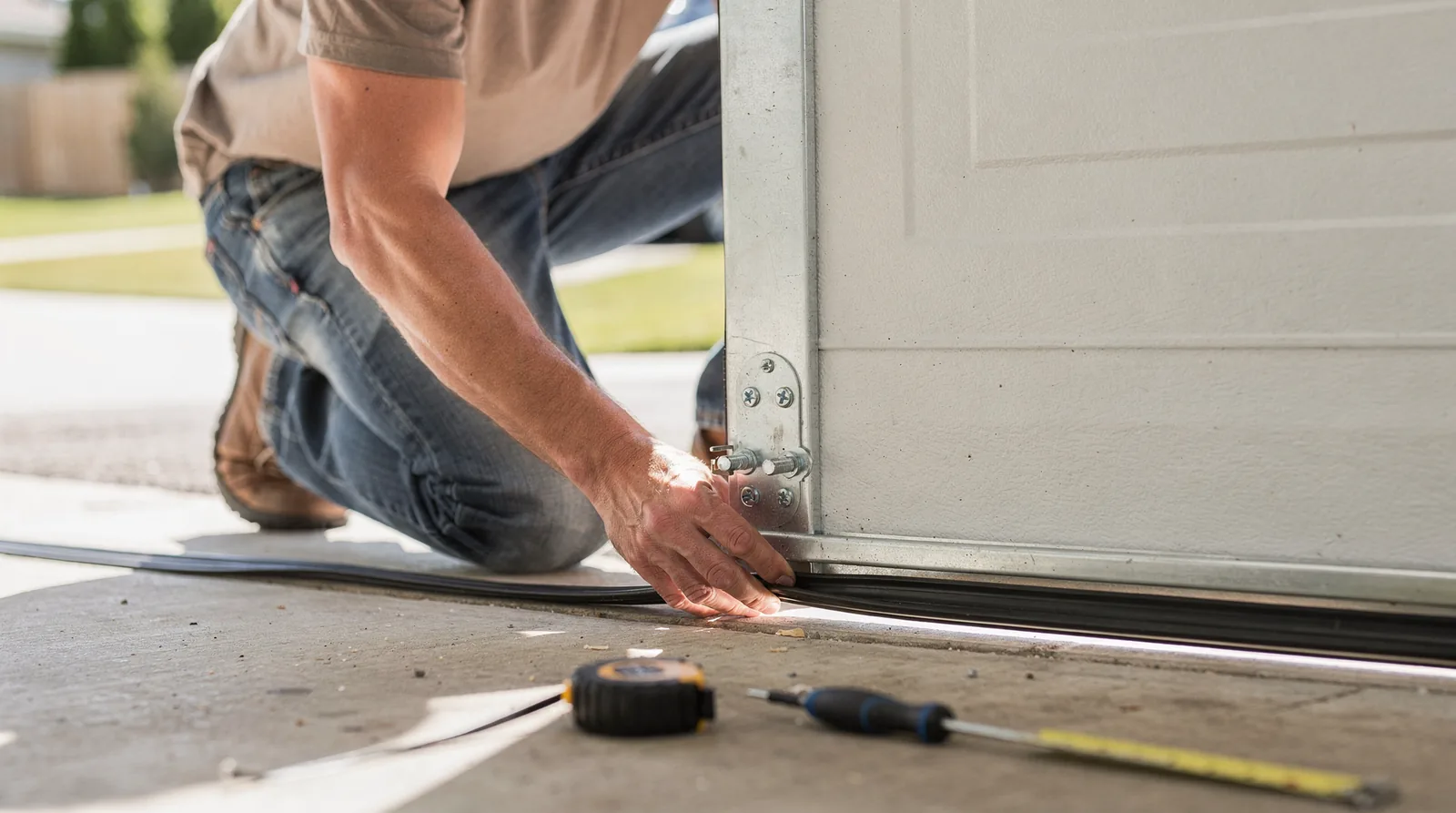
Closing a garage door gap at the bottom edge starts with the right garage door bottom seal, not a temporary patch. Proper garage door weatherstripping blocks drafts, light, water, and pests far better than makeshift fixes. Many homeowners notice the problem only after spotting daylight or finding debris along the garage floor.
Is Expanding Foam a Good Fix for a Garage Door Gap?
Expanding foam closes small corner gaps for a short while. Some homeowners use canned foam products to stop drafts quickly and cheaply. That approach skips the real question: why did the gap form? Worn seals, a settled slab, or a shifted track all cause gaps. Foam breaks down over time under the door’s weight and sun exposure.
A lasting repair follows a clear sequence:
- Inspect the seal and track alignment for wear or shifting.
- Measure the gap across the full width of the door.
- Replace damaged weatherstripping with a properly sized seal.
- Run the door through a full cycle to confirm even floor contact.
Who Repairs Garage Door Gaps in Long Beach?
Precision Garage Door Service sends certified technicians for same-day repairs, including seal and weatherstripping replacement built to withstand coastal conditions. Precision Garage Door of Long Beach operates locally, giving area homeowners fast access to a lasting fix instead of a short-term patch.
FAQ
What causes a gap under a garage door?
Worn locking components, misaligned tracks, and excessive opener pressure keep the panel from seating flush against the floor. Coastal sun and ocean air in Long Beach speed up wear on seals and tracks, widening gaps over time.
Does a new house still develop a garage door gap?
Yes, new construction settles over months and years, shifting door components out of alignment even in recently built homes. Materials also wear down naturally, loosening the fit between the bottom seal and the concrete slab.
What happens if you ignore a bottom gap?
Wind-driven rain and debris collect along the base of the door, adding pressure that affects opener performance over time. The gap also raises energy costs, causes water leaks, and allows pests into the home.
Conclusion
In closing, addressing a gap at the bottom of your garage door protects your home from weather, pests, and energy loss while ensuring safe operation. Whether the issue stems from worn weatherstripping, foundation settling, or misaligned panels, professional inspection identifies the root cause and delivers the right solution. Our certified technicians in Long Beach provide expert diagnosis and reliable repairs that restore your door’s performance and security. Do not delay; contact us today for prompt service that puts your mind at ease.