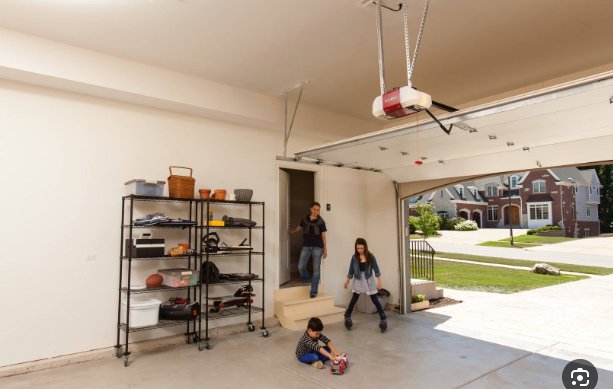
A garage door operates many times every day. Most homeowners rarely notice this constant movement. Each opening and closing creates gradual wear. Small changes often happen quietly. Problems usually start before visible damage appears. A Garage Door Tune-Up helps identify these changes early.
Many homeowners delay routine garage door maintenance. Busy schedules often cause maintenance to be overlooked. Minor issues slowly become serious concerns. Loose hardware affects system stability. Poor lubrication increases friction. Imbalance creates strain on the opener. A Garage Door Tune-Up helps restore proper operation.
This guide explains a complete Garage Door Tune-Up checklist. Each step focuses on safety and performance. The checklist helps homeowners understand maintenance priorities. It explains how routine care prevents breakdowns. You’ll learn which parts require attention
The Value of Consistent Garage Maintenance
Garage doors rely on balanced movement for safe operation. Each component must work together smoothly every day. Even slight misalignment affects daily performance. Performance decreases quickly when balance is lost. Strain builds across springs, rollers, and tracks. A Garage Door Tune-Up restores system harmony and improves long-term reliability.
Neglected garage doors place pressure on openers during daily use. The motor must work harder to move the door. Excess strain shortens the opener’s lifespan over time. Springs absorb more force than intended. Rollers experience uneven wear and added stress. A Garage Door Tune-Up reduces mechanical stress and supports reliable operation.
Long Beach conditions increase wear risks. Moisture affects metal parts gradually. Coastal air accelerates corrosion. Emergency services usually cost more. Repairs often require multiple components. A Garage Door Tune-Up prevents sudden failures. Preventive care protects long-term reliability.
Garage Door Service Checklist
A proper garage door tune-up includes multiple inspections for reliable performance. Each inspection targets a specific component within the system. Skipping steps reduces overall effectiveness and safety. Consistency ensures smooth and dependable operation. Every part contributes to safe garage door movement. Technicians inspect mechanical systems carefully during each visit.
Inspecting Garage Door Springs and Cables
Springs support most of the garage door’s weight and operate under extreme tension. Worn springs increase failure risks and can create serious safety hazards. Cables guide controlled door movement and support smooth operation. Professional tools are often required to handle these components safely. Learn more about broken springs and when replacement becomes necessary.
Checking Rollers, Tracks, and Hardware
Rollers guide doors along tracks and support smooth movement. Smooth rollers reduce vibration and help prevent shaking. Worn rollers often cause noise and uneven operation. Bent tracks and loose hardware strain other components. These issues increase wear across the system. Learn more about door rollers and proper maintenance to prevent damage.
Testing Garage Door Balance and Alignment
Balanced doors reduce opener strain and protect internal components. Unbalanced doors, stress springs, and rollers shorten equipment lifespan. Manual testing helps reveal balance problems affecting daily performance. Imbalance causes uneven movement and added system strain. A Garage Door Tune-Up restores proper balance for smooth, reliable operation.
Lubricating All Moving Garage Door Parts
Friction accelerates wear over time, especially on dry garage door components. Lubrication reduces metal contact and improves smooth, reliable movement. Hinges, rollers, bearings, and springs all require proper lubrication. Noise often signals lubrication problems that should not be ignored. Learn more about noisy door common causes and effective solutions to prevent future damage.
Inspecting Safety Features and Sensors
Safety sensors protect users by detecting objects in the doorway. Misaligned sensors or dirty lenses reduce detection accuracy. Auto-reverse features prevent accidents by stopping blocked doors. Testing ensures safety systems respond correctly during operation. Poor sensor performance increases accident risks. Properly maintained door openers play a key role in overall safety performance.
After completing these five inspection steps, the system condition becomes clear. Each component directly affects overall garage door performance. Ignoring one area reduces reliability and safety. Minor issues often grow when overlooked. Maintenance works best when every step is completed. A Garage Door Tune-Up is most effective when thorough and consistent
DIY Garage Door Tune-Up Tips
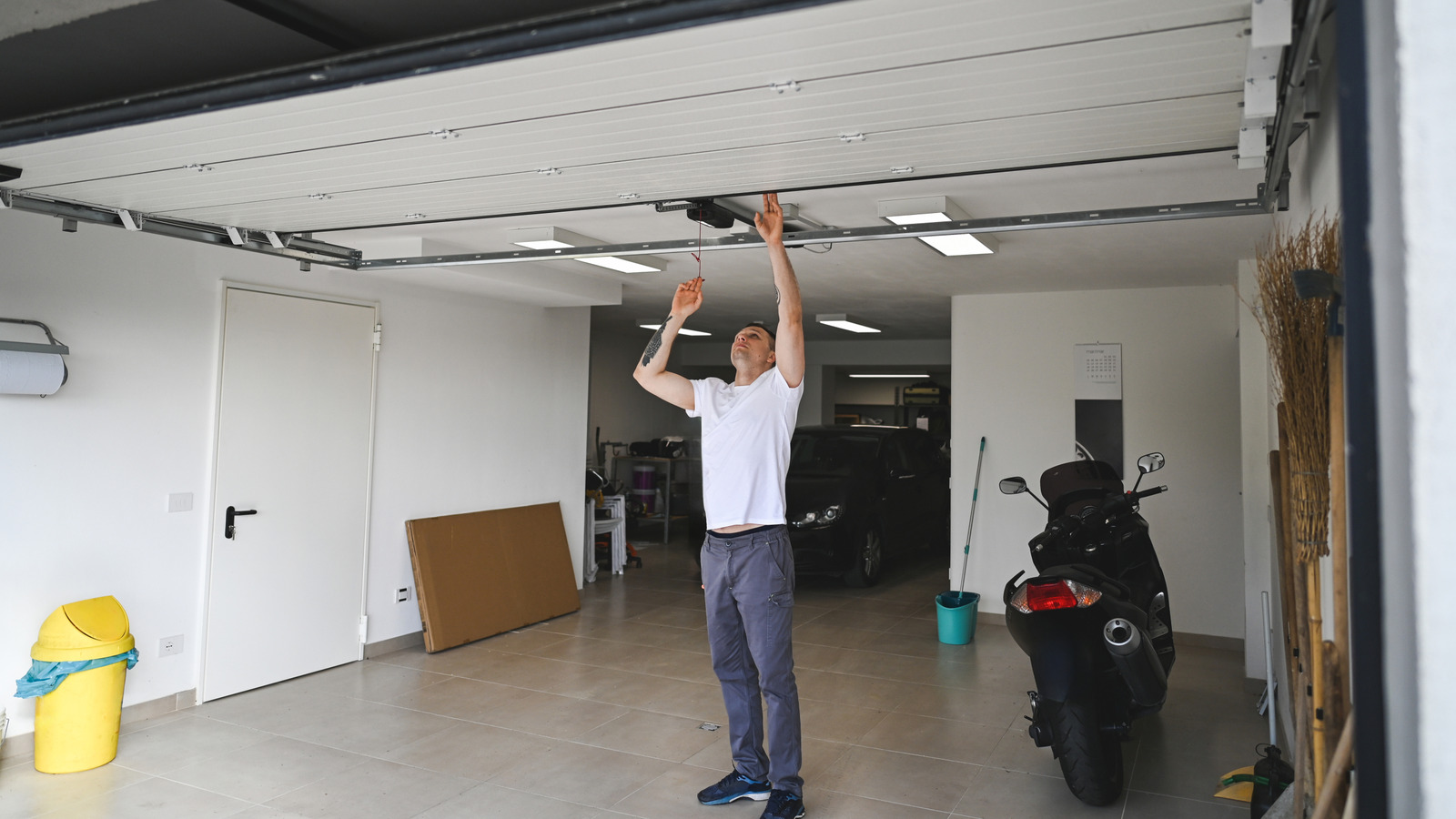
Homeowners can perform visual inspections regularly. Look for loose hardware on brackets and hinges. Check for rust buildup on metal components. Listen for unusual sounds during operation. Observe door movement closely for uneven motion. Early detection helps prevent serious problems.
Cleaning tracks removes debris and improves smooth movement. Wiping sensors improves accuracy and responsiveness. Testing door balance adds awareness of potential issues. Simple checks reveal early problems before damage spreads. Avoid adjusting springs alone under any circumstances. Cables hold extreme tension and pose serious risks. Improper handling can cause severe injuries.
A Garage Door Tune-Up should always prioritise safety first. DIY care supports smoother daily operation. Basic maintenance helps identify early warning signs. Professional inspections remain essential for deeper issues. Some problems require expert tools and experience. Routine care works best alongside professional service.
Issues Prevented by a Garage Door Tune-Up
Neglected doors develop performance issues over time. Uneven movement stresses internal components. Opener strain increases overall failure risk. Noise becomes more noticeable during operation. Doors may hesitate or stop unexpectedly. Delayed response often signals deeper mechanical problems.
Off-track problems create serious safety hazards for homeowners. Tracks bend under stress and restrict door movement. Misalignment worsens quickly without proper correction. Rollers and cables often suffer additional damage. Repairs for off-track doors help restore safe, stable operation.
Component replacement costs increase when problems are ignored. Frequent breakdowns lead to repeated service needs. Timely garage door repairs help control long-term expenses. Modern upgrades may become necessary as systems age. Newer systems offer better performance and improved efficiency.
Professional Garage Tune-Up Today
Some issues require professional attention to avoid serious damage. Visible wear often signals urgent service needs. Delayed repairs allow problems to spread across components. Repair costs increase as damage worsens. Early professional service prevents sudden failures and emergencies.
Technicians perform complete evaluations of all garage door components. Hidden issues are identified before causing serious damage. Proper tools ensure safe and accurate repairs. Professional adjustments improve balance and movement. A Garage Door Tune-Up restores peak performance and long-term reliability.
Ready to stop worrying about your garage door and start relying on it?. Contact Precision Door Long Beach today and book your free evaluation through our contact page to identify the issue and fix it before it worsens.