A noisy garage door is more than an annoyance. It rattles through walls, wakes up the household, and sends vibration into every room connected to the garage, in Long Beach neighborhoods where homes sit close together and morning routines start early, a grinding or squeaking door creates friction with everyone nearby, not just the people inside.
Noise from a garage door is never random. Every sound points directly to a specific component under stress, wearing down, or running dry. In Long Beach, coastal salt air and humidity accelerate wear faster than most homeowners realize, turning a minor squeak into a full grinding problem within a single season.
This guide explains the most common causes of garage door noise in Long Beach homes, what each sound means, and how to fix the problem before it damages the components producing it.
Why Long Beach Homes Deal With Noisier Garage Doors
Salt air and coastal humidity create conditions that strip lubrication from metal components faster than any inland environment. A door lubricated in spring may run completely dry by midsummer because ocean moisture and salt particles break down standard lubricants at an accelerated rate. Once lubrication is gone, metal parts grind directly against each other with every cycle and the noise increases steadily from that point forward.
Rust and corrosion add another layer of noise production specific to Long Beach homes. Corroded rollers develop flat spots and rough surfaces that catch and grind along the track rather than rolling smoothly. Rusty hinges bind and squeak under load. Salt deposits that build up in track channels create resistance that forces every moving part to work harder and louder than it was designed to handle.
The combination of dried-out lubrication, surface corrosion, and salt buildup means that Long Beach garage doors develop noise problems more frequently and more severely than doors in drier inland locations. Staying ahead of these conditions through regular maintenance and timely garage door repairs keeps noise levels low and protects every component from the accelerated coastal wear that drives most Long Beach repair calls.
What Each Noise Means and How to Fix It
Garage door sounds are specific and diagnostic. Each type of noise points directly to a component that needs attention. Identifying the right source leads directly to the right fix. Here are the most common noises Long Beach homeowners report and what causes them.
Grinding or Scraping Sounds
Grinding during door movement points to worn or corroded rollers dragging along the track rather than rolling smoothly. Metal rollers develop flat spots and rust buildup that catch against the track surface with every cycle. Cleaning the tracks thoroughly and replacing metal rollers with nylon alternatives eliminates grinding immediately and prevents the salt-accelerated wear that causes metal rollers to fail repeatedly in Long Beach’s coastal conditions.
Squeaking Hinges and Springs
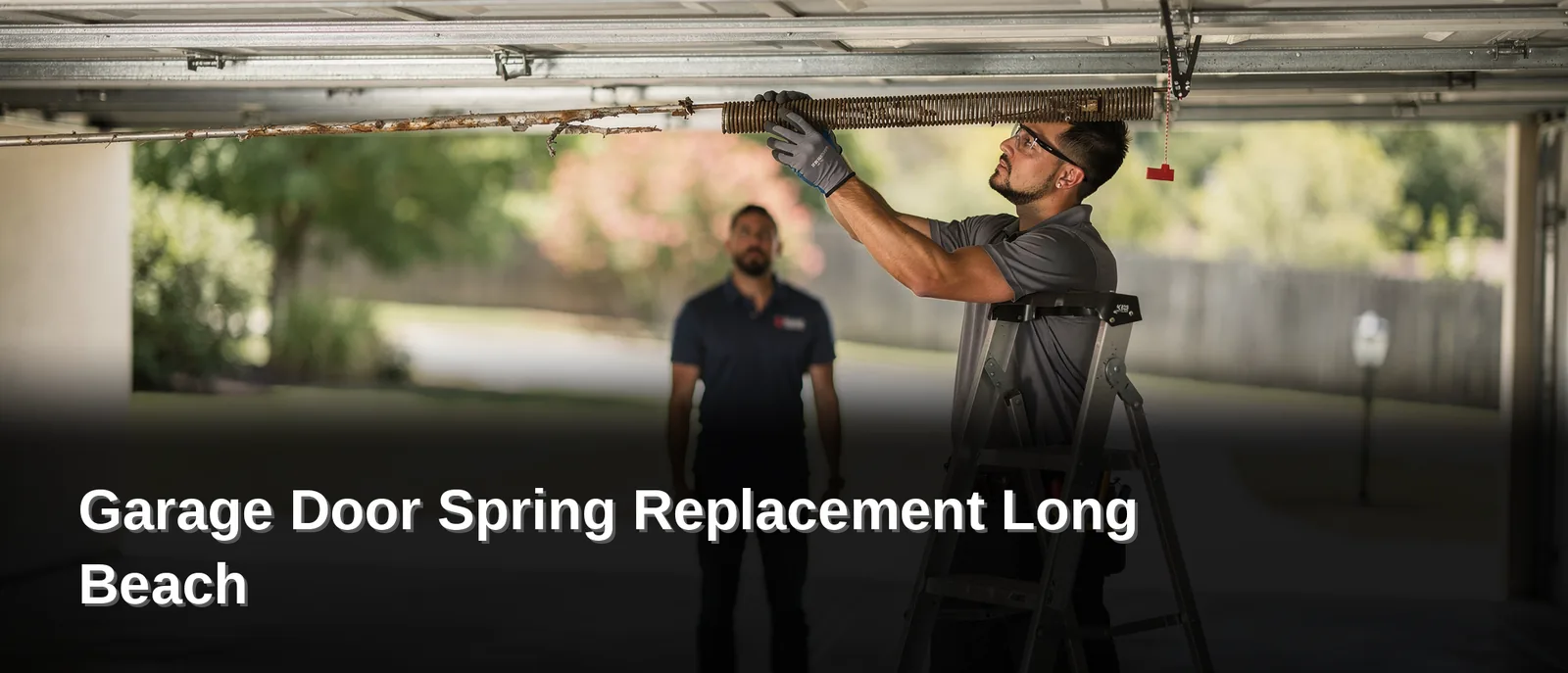
Squeaking comes from metal components moving against each other without adequate lubrication. Hinges, springs, and bearing plates all produce this sound when salt air has stripped their protective coating and left bare metal rubbing against bare metal. Worn, broken springs that squeak under load despite fresh lubrication have likely lost too much tension to hold and need replacement before they snap.
Rattling and Vibrating
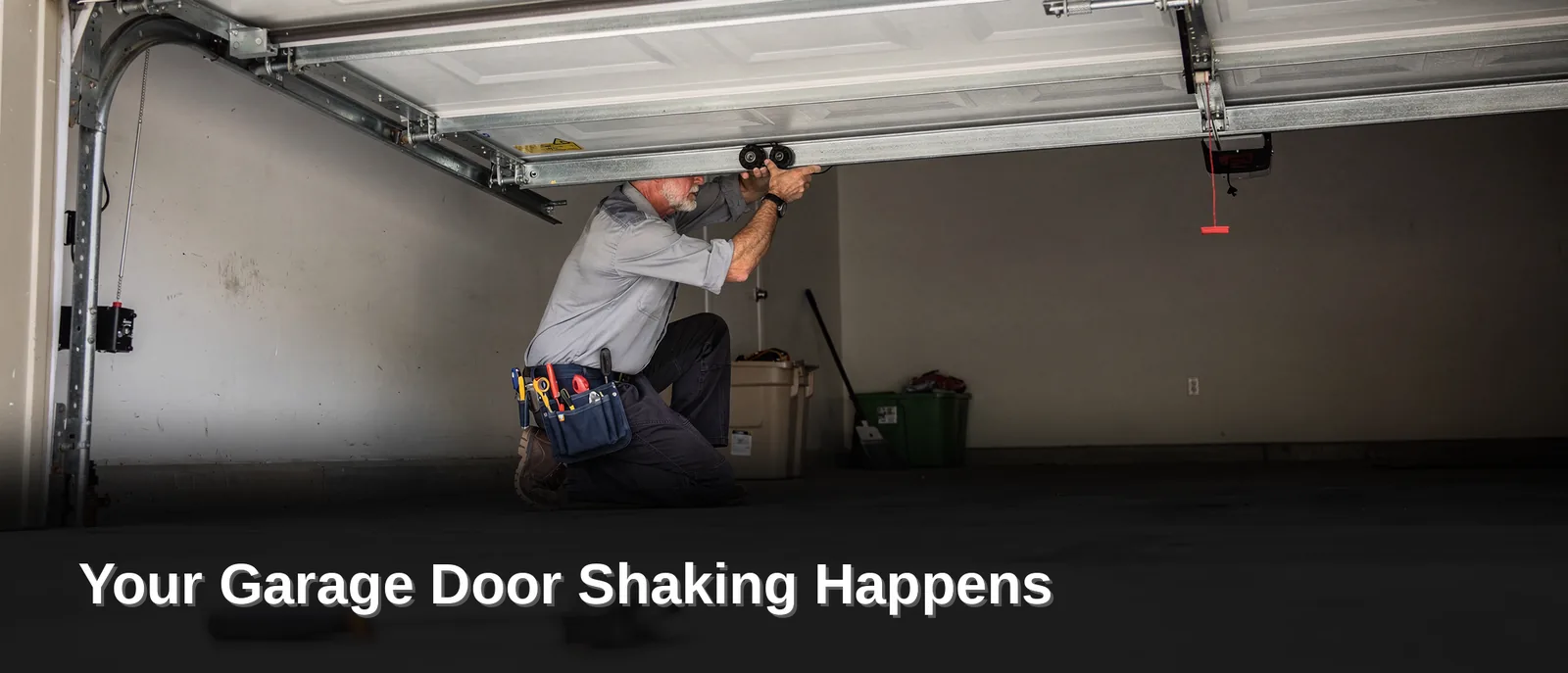
Rattling during operation usually means loose hardware throughout the system. Bolts, nuts, and bracket fasteners vibrate loose over time from the mechanical movement of thousands of cycles. Salt air accelerates this by corroding the fastener threads, reducing their grip and allowing parts to shift during operation. Tightening all visible hardware with a socket wrench eliminates most rattling immediately. Bolts that will not hold tension despite tightening have corroded threads and need replacement with galvanized fasteners rated for coastal environments.
Banging at the Top or Bottom of Travel
A loud bang at the end of each cycle means the door is hitting its limit points too hard. Opener limit settings control how far the door travels in each direction. When those settings drift, the door slams into the floor or the stop bolts at the top of the track with full force. Adjusting the opener’s limit settings resolves this quickly, but persistent banging after adjustment often points to a spring tension issue that forces the opener to overrun its set limits. A routine safety inspection confirms whether the opener settings or the spring tension is the true source of the problem.
Popping Sounds During Movement
Popping or cracking sounds during door movement indicate torsion spring stress or cable tension imbalance. Springs under uneven tension produce this sound as the coils shift against each other during winding and unwinding. In Long Beach, salt corrosion inside the spring coils accelerates this unevenness by pitting the metal surface and creating friction points within the coil itself. Popping springs that continue after lubrication are nearing failure and should be inspected and replaced before they snap without warning.
Each of these sounds has a direct fix. Addressing the right component quickly stops the noise and prevents the damage that continued operation under those conditions creates.
Why Noise Problems Worsen Faster Near the Coast
A noisy component left unaddressed in Long Beach deteriorates faster than the same problem would in an inland garage. Grinding rollers that would last months before failing completely in a dry environment wear through within weeks when salt deposits in the track add abrasive friction to every cycle. A squeaking hinge that gets ignored allows bare metal contact to continue while coastal humidity accelerates the oxidation that eats away at the hinge pin beneath.
Every noise in a garage door system is a signal that friction exists where smooth movement should be happening. Friction generates heat, accelerates metal wear, and spreads damage to surrounding components that absorb the extra stress. In Long Beach’s coastal environment, that progression happens faster and more broadly than homeowners typically expect in inland conditions.
Protecting against this requires both fixing the immediate noise source and addressing the underlying coastal exposure that caused it. Replacing worn rollers and cables removes the damaged components, while applying coastal-grade lubrication and protective coatings slows the rate at which salt air creates the next set of problems across the system.
Why DIY Fixes Only Go So Far on a Coastal Door
Basic noise fixes like tightening bolts, cleaning tracks, and applying lubricant are safe and effective steps any Long Beach homeowner can handle. These tasks address surface-level noise causes and deliver immediate improvement when performed consistently. But the moment the noise source involves springs, cables, or structural misalignment, the tools and training required go beyond what standard household maintenance covers.
Torsion springs under coastal corrosion are unpredictable. A spring that looks intact may have internal pitting from salt penetration that reduces its load capacity without showing visible external damage. Attempting to adjust or replace a spring without the correct winding bars and proper technique risks a violent release of stored tension that causes serious injury. No amount of YouTube preparation replaces the training required to handle this safely.
Professional technicians identify every noise source accurately during a single visit and address both the sound and the underlying coastal wear driving it. They carry parts and accessories rated for coastal environments and apply the right lubrication products that hold up against Long Beach’s salt air rather than breaking down within weeks like standard alternatives.
Quiet Your Door Before the Whole Neighborhood Hears It Again
A noisy garage door in Long Beach is not something that resolves on its own. Every grinding cycle, every rattling bolt, and every squeaking hinge is the system telling you that something needs attention before the damage spreads to the components around it. Acting early keeps the fix simple, the cost low, and the household quiet.
Long Beach’s coastal conditions make noise problems develop faster and spread further than they would anywhere else. The right maintenance routine combined with timely professional service keeps every component protected, lubricated, and running smoothly through year-round salt air exposure.
Stop letting a noisy door disrupt your mornings and your neighborhood. Contact Precision Garage Door Service and get every noise source identified, fixed, and protected against the coastal conditions that caused it in the first place.