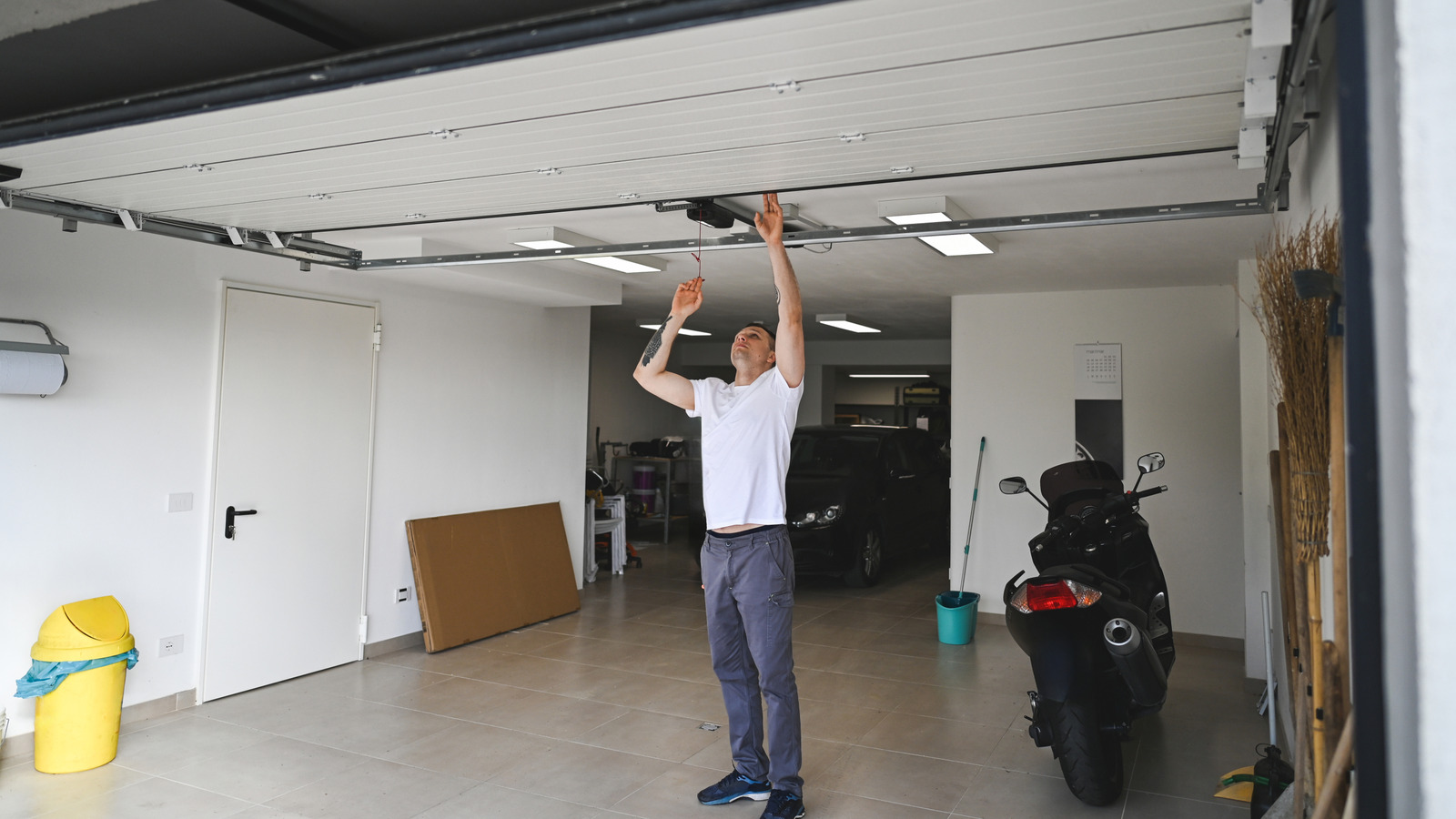
Garage doors are essential home systems. Many homeowners misunderstand how they actually function. Misunderstandings often become accepted beliefs over time. These beliefs frequently form a garage door myth. Garage doors appear simple from the outside. This appearance creates false confidence.
Small problems seem harmless at first. Ignoring them often causes serious damage. Many homeowners rely on advice from friends. Others trust unverified online sources. This information often spreads a garage door myth. Misinformation leads to poor repair decisions.
This guide breaks down common garage door myths in clear, simple terms. We replace misinformation with facts you can trust. Learn what truly impacts repairs and long-term performance. Avoid costly mistakes with accurate, practical knowledge. Make smarter, safer decisions with confidence.
Why Garage Door Repair Myths Spread
Garage doors move smoothly when working properly. This smooth operation hides mechanical complexity. Hidden parts make systems seem simple. This misunderstanding creates a garage door myth. Online videos contribute to confusion. Short tutorials oversimplify serious repairs. Safety risks are rarely explained fully. Viewers assume repairs are easy.
Past experiences also influence beliefs. A temporary fix may appear successful at first. That success reinforces incorrect assumptions about repairs. Over time, it becomes a garage door myth. Repeated use strengthens false confidence. Hidden damage continues to develop unnoticed.
Manufacturers design doors with precision and exact tolerances. Improper adjustments disrupt system balance and smooth movement. Incorrect fixes often cause additional damage over time. Lack of knowledge can create a garage door myth. Education helps prevent misinformation and poor repair decisions.
When Garage Door Myths Cost You More
Believing a garage door myth delays proper repairs. Small issues worsen with continued use. Wear spreads to nearby components. Repair costs increase unexpectedly. Unsafe repairs increase injury risks. Springs store extreme tension. Cables can snap suddenly. Improper handling causes serious accidents.
Myth One: Garage Door Repairs Are Always Expensive
Many homeowners fear high repair costs. This fear delays service calls. Early repairs are usually affordable. Ignoring issues increases expenses. Simple adjustments often fix early problems. Loose hardware is easy to correct. Lubrication reduces friction quickly. Balance adjustments restore smooth movement. Timely garage door repairs often cost less. Professional inspections identify minor issues. Early service protects budgets.
Myth Two: All Garage Door Problems Are DIY Fixes
DIY repairs seem convenient. Online guides make repairs appear simple. Garage doors contain dangerous components. This belief creates a garage door myth. Springs require specialised tools. Incorrect adjustments cause sudden failure. Cables hold extreme tension. Professional training reduces risks.DIY fixes often hide real problems. Underlying damage continues unnoticed. Future repairs become more expensive. Professionals ensure accurate diagnosis.
Myth Three: Noise Is Normal and Not a Problem
Garage doors should operate quietly. Sudden noises signal underlying problems. Grinding suggests worn rollers. Squeaking indicates poor lubrication. Ignoring noise worsens damage. Metal components grind together. Friction accelerates wear. Stress spreads across the system. Quiet operation reflects proper maintenance. Persistent noise supports a garage door myth. Early attention prevents costly repairs.
Myth Four: Garage Door Springs Last Forever
Springs experience constant tension. Each cycle weakens the metal. Fatigue develops gradually. Failure often occurs suddenly. Usage frequency affects spring lifespan. Heavily used doors wear faster. Moisture accelerates corrosion. Rust weakens spring strength. Broken springs stop the door operation. Replacing garage door springs restores balance. Professional replacement ensures safety.
Myth Five: Openers Are the Only Cause of Malfunctions
Many homeowners blame openers first. Mechanical problems often cause symptoms. This assumption creates a garage door myth. Unbalanced doors strain openers. Misaligned tracks restrict movement. Roller damage increases resistance. Sensors may stop operation. Replacing openers wastes money. Properly maintained door openers depend on balanced systems.
Understanding these myths helps homeowners avoid costly mistakes. Small misunderstandings often lead to bigger repair problems. Accurate information supports safer maintenance decisions. Professional inspections prevent damage caused by false assumptions. Correct knowledge keeps garage doors reliable and secure.
Real Dangers of Repair Myths
A garage door myth encourages unsafe behaviour. Improper repairs cause serious injuries. Heavy doors pose crushing risks. Spring failures release stored energy. Delayed service increases damage. Wear spreads across components. Repair complexity increases. Costs rise unexpectedly. Myths shorten system lifespan. Motors overwork continuously. Hardware fails prematurely. Professional guidance ensures safety. Correct repairs restore reliability.
Believing myths also affects home security over time. Poorly repaired doors may not close properly. Locking systems can fail without warning. This increases vulnerability and safety concerns. Reliable repairs help maintain secure access.
Financial risks grow when myths guide decisions. Repeated failures lead to unnecessary expenses. Temporary fixes often require frequent follow-ups. Long-term repair planning becomes difficult. Accurate information supports smarter repair investments.
Why Professional Inspections Matter
Professional inspections follow structured processes. Each component receives attention. Hidden issues are identified early. Accurate diagnosis prevents wasted repairs. Technicians use specialised tools. Measurements ensure precise adjustments. Safety procedures reduce injury risks. Experience improves detection accuracy. Professional service improves performance. Balanced doors protect components. Noise levels decrease.
Small issues are corrected before spreading across components. Wear patterns are identified early during inspections. Technicians assess overall system balance carefully. Proper tension settings are verified for safe operation. Alignment issues are corrected accurately. Hardware is secured correctly to prevent shifting. Strain on components is reduced. Addressing a garage door myth helps improve overall system lifespan.
Routine inspections help prevent emergency repairs. Unexpected failures become less common. Maintenance schedules stay pr edictable. Repair costs remain controlled. Doors operate consistently every day. Safety features remain functional. Openers work without excess strain. Noise issues are addressed early. Homeowners avoid repeated service calls. Confidence in door operation increases. Professional care ensures dependable performance.
Get Expert Garage Door Repair Advice Today
Garage door myths cause unnecessary problems. A garage door myth leads to costly mistakes. Accurate information supports safe decisions. Professional guidance makes a difference. Timely service improves reliability. Preventive care reduces breakdowns.
Correct repairs extend system lifespan significantly. Daily operation becomes smoother and more reliable. Components experience less strain during movement. Noise levels decrease over time. Regular performance improves overall convenience.
Trust experienced professionals. Avoid unsafe assumptions. Protect your home and safety. Schedule service through professional support.