Garage Door Opener Repair vs. Replacement
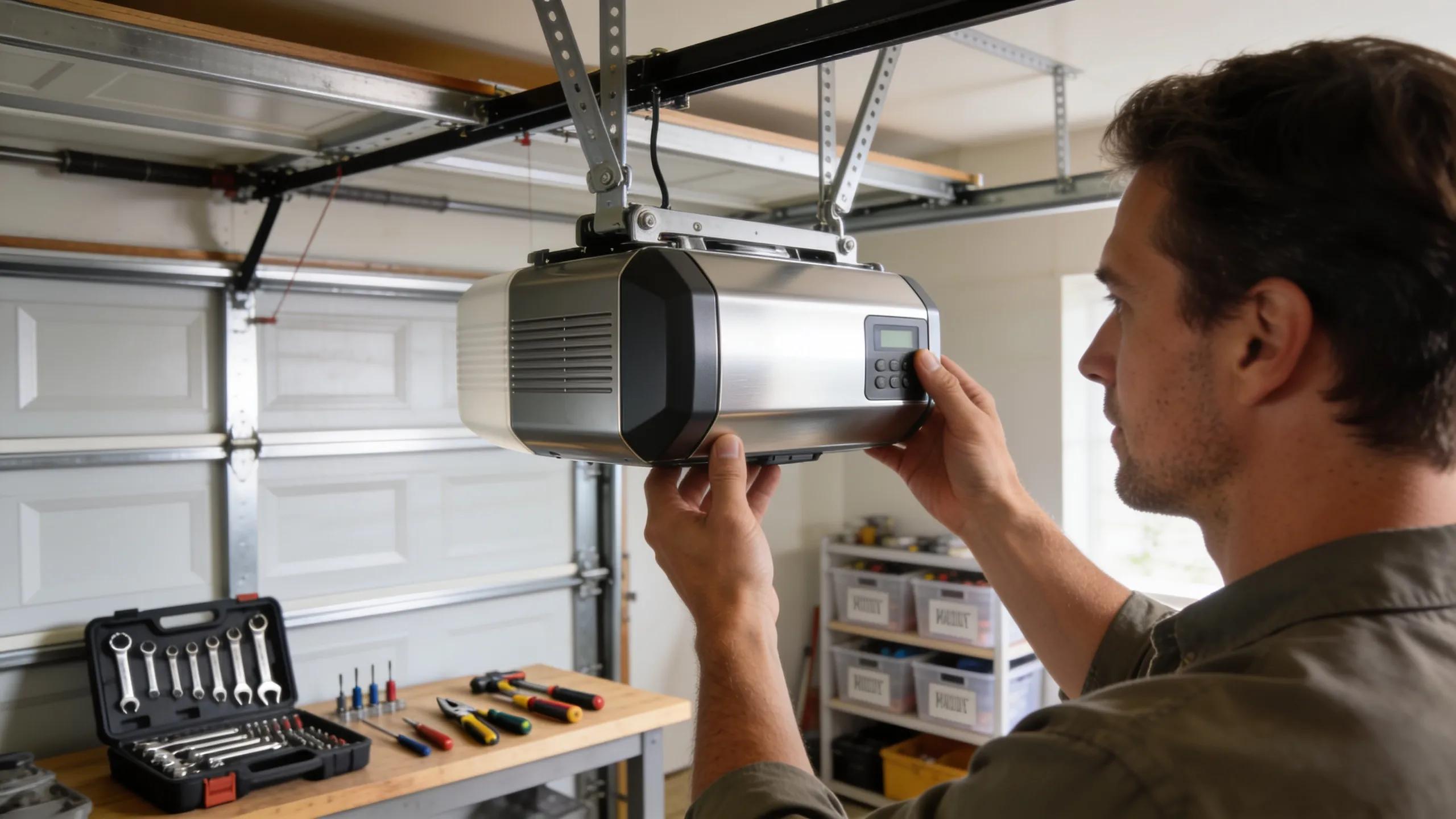
Garage Door Opener Repair vs Replacement: Professional Cost Estimates and Decision Criteria
When faced with a malfunctioning garage door opener, homeowners often grapple with the decisions of repair versus replacement. Understanding the nuances of both options is crucial, as each comes with its unique benefits and challenges. This article delves into cost estimates for repairs and replacements, helping you make an informed decision based on current needs and long-term implications. From recognizing the signs that indicate a need for attention to evaluating whether repair costs justify sticking with an old unit, we’ll explore essential considerations. Additionally, we’ll highlight factors influencing overall costs, ensuring a comprehensive understanding of the implications of both repair and replacement.
To kick things off, we’ll review the average professional cost estimates for garage door opener services, followed by vital decision-making criteria.
Decision-Making Criteria for Repair vs. Replacement
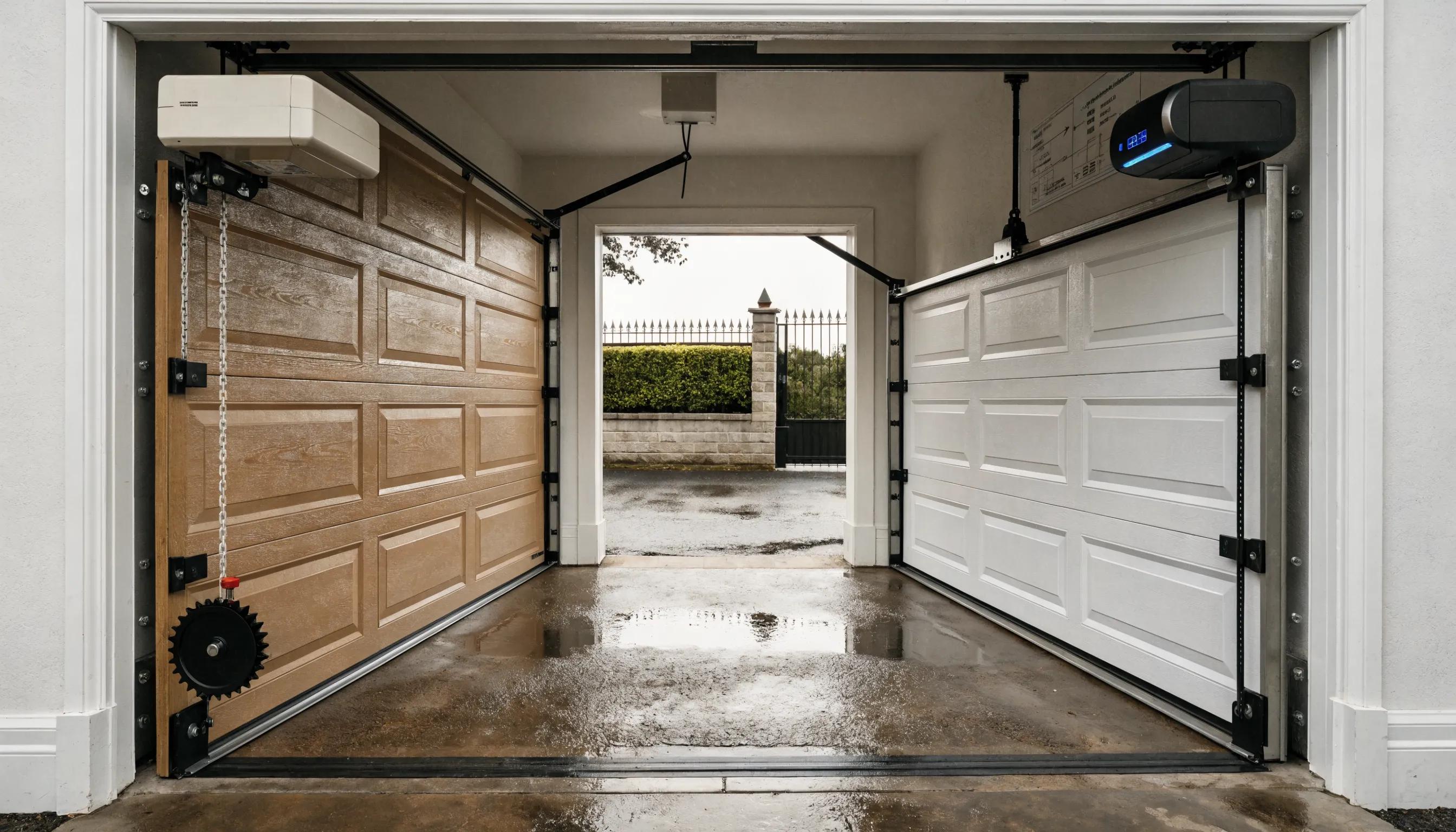
When deciding between repairing or replacing a garage door opener, there are several key factors to consider:
- Age of the Door: The overall age can significantly influence the decision. If the door is nearing the end of its lifespan, replacement might be more prudent.
- Repair Frequency: Review the repair history. Frequent issues might indicate that it’s time for a new unit rather than repeatedly fixing the old one.
- Severity of Damage: Understand the nature of the current issue. Minor electrical problems could be solved with a quick fix, while structural damage often necessitates replacement.
These considerations can guide homeowners in making more informed decisions aligned with their financial and functional needs.
What Are the Common Symptoms of Garage Door Opener Failure?
Identifying the symptoms of garage door opener failure can aid in early intervention. Here are some common signs:
- Unusual Noises: Grinding or straining noises could indicate wear or mechanical failure. For example, if you hear noisy door problems, it’s a clear sign.
- Delayed Movement: Slow or erratic movement is often a sign of underlying issues.
- Frequent Repairs: If the opener needs repairs often, it’s a sign that replacement may be necessary.
Being proactive about these symptoms can help avoid extended downtimes and potentially high repair costs.
How to Identify Mechanical and Electrical Issues in Openers
Diagnosing mechanical and electrical issues can be straightforward:
- Inspect Power Supply: Ensure the opener is receiving adequate power. A dead outlet can lead to a non-responsive unit.
- Check Remote Control: A malfunctioning remote can be mistaken for complete unit failure. Test batteries and functionality.
- Examine Safety Sensors: Misaligned or dirty safety sensors can prevent the door from operating properly. Also, issues with rollers and cables can cause operational problems.
Following these steps can help accurately determine the cause of issues with your garage door opener.
Factors Influencing Overall Cost
Various factors can influence the total cost of garage door opener repair or replacement:
- Type of Repair: Some repairs are simpler and less costly than others, depending on the components involved.
- Quality of Parts: Using higher-quality or original parts can change the overall price significantly. Check out available parts and accessories to understand options.
- Labor Costs: Labor costs often vary by location and can impact the total spent on services.
Being aware of these factors can help homeowners budget appropriately and make decisions that align with long-term goals.
How Does the Cost of Garage Door Opener Repair Compare to Replacement?
When comparing repair and replacement costs, the financial implications can vary widely:
- Typical Repair Costs: Average repairs typically range from $100 to $500 based on issue severity and complexity. For more information on common repairs, visit a site on garage door repairs.
- Replacement Costs: A total replacement typically starts around $750 and can go significantly higher, especially for premium models.
- Long-Term Costs: Frequent repairs may lead to higher cumulative costs versus investing in a new unit that offers modern efficiencies.
This clear distinction is paramount in guiding your decision process regarding the best solution for your garage needs.
When Is Replacement a More Cost-Effective Long-Term Solution?
There are several scenarios in which replacement might prove more economical than ongoing repairs:
- Frequent Breakdown: If a garage door opener requires multiple repairs within a short period, replacement is often the smarter choice.
- Outdated Features: Older models lacking modern safety and convenience features may need replacement for both performance and security benefits.
- Enhanced Energy Efficiency: Newer models often provide greater energy efficiency, leading to potential savings over time.
Understanding these factors can help homeowners assess the long-term implications of their choices.
What Are the Best Troubleshooting Practices for Garage Door Opener Issues?
Proper troubleshooting can save time and costs before seeking professional help:
- Power Supply Check: Ensure the opener has power by checking circuit breakers and outlets.
- Inspecting Remote Control: Test the remote and ensure batteries are working.
- Listen for Noises: Identify any unusual sounds that indicate mechanical issues.
These initial checks can prevent unnecessary service calls and help clarify whether professional help is indeed needed.
Which DIY Diagnostic Checks Can Homeowners Perform Safely?
Homeowners can undertake various safe DIY checks to diagnose garage door opener problems:
- Sensor Alignment: Ensure the safety sensors are aligned and unobstructed.
- Manual Operation Test: Disconnect the opener and manually operate the door to check for balance and movement. If the door is off-track, this is a critical issue.
- Check for Cables: Inspect the cables for signs of wear or fraying, which could influence operation.
Performing these checks empowers homeowners with knowledge about their garage door systems.
When Should Professional Garage Door Repair Services Be Contacted?
Knowing when to call a professional is essential for maintaining your garage door opener:
- Persistent Issues: If basic troubleshooting does not resolve the problem, it’s time to consult an expert.
- Visible Damage: Any signs of significant wear, rust, or structural weaknesses warrant professional repair.
- Frequent Breakdowns: A unit that frequently malfunctions may need assessment for replacement over continual repairs.
Taking these signs seriously can prevent further complications and potential safety concerns.
When Should You Replace Your Garage Door Motor Instead of Repairing It?
Several conditions may dictate a complete motor replacement rather than repairs:
- Recurring Failures: Consistently failing motors typically indicate replacement is necessary.
- Lack of Safety Features: Older motors may not comply with current safety standards.
- Cost Efficiency: Replacing an unreliable motor is often more affordable in the long run than repeated repairs.
Recognizing these conditions helps make informed decisions about managing the garage door motor.
How Does Opener Motor Lifespan Influence Replacement Decisions?
The lifespan of garage door openers significantly affects repair or replacement decisions:
- Typical Lifespan: Most garage door openers last between 10 and 15 years under normal conditions.
- Frequent Repairs on Older Units: If an opener requires increasing maintenance as it ages, replacement is usually more beneficial.
- Cost-Benefit Analysis: Older motors may cost more to maintain than investing in cutting-edge models that enhance efficiency and security.
Reviewing these factors helps homeowners assess when it’s time to transition to a new model.
What Are the Advantages of Professional Replacement Services in Long Beach?
Engaging professional replacement services offers distinct advantages for homeowners in Long Beach:
- Expertise and Safety: Skilled technicians ensure proper installation, reducing risks of improper functioning.
- Quality Assurance: Professionals often have access to high-quality parts, which ensures a longer service life for new installations.
- Increase in Home Value: Modern garage door systems can enhance a property’s aesthetic appeal and security.
These factors make professional services a compelling choice for those considering upgrades.