
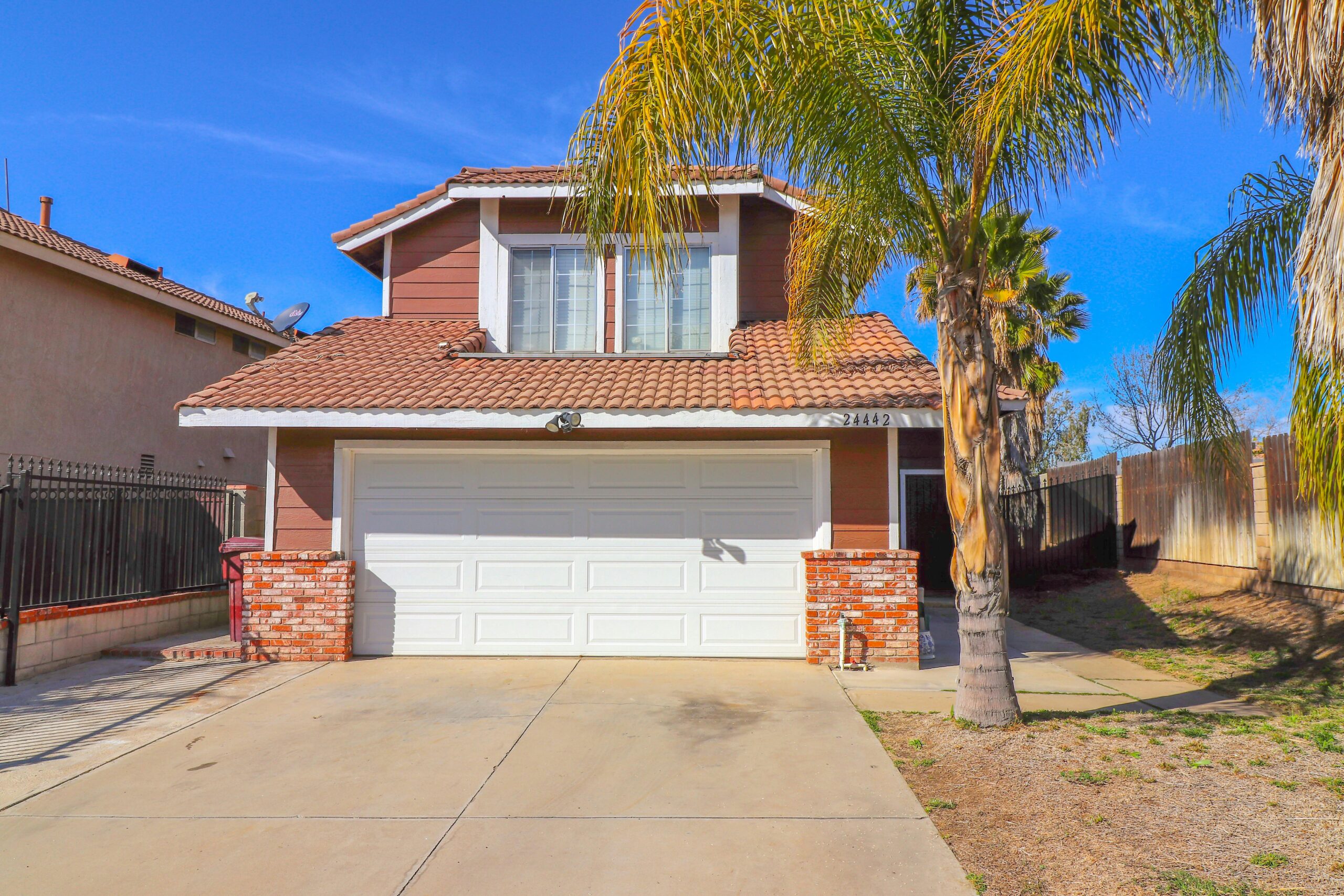
Your garage door is the largest moving object in your home. It weighs hundreds of pounds and operates multiple times daily. Most families never think about the potential dangers until an accident happens. These massive doors pose serious risks to children, pets, and adults alike.
Garage door accidents occur more frequently than most homeowners realize in Long Beach. Children get fingers caught in closing panels. Pets dash under descending doors and get injured. Adults suffer injuries from falling doors or snapping cables. These preventable accidents cause emergency room visits, property damage, and emotional trauma for families.
This guide covers essential garage door safety practices every family needs. You’ll learn about critical safety features that protect your loved ones. We’ll share practical rules for teaching children about door dangers. You’ll discover simple monthly tests to verify your door operates safely. Finally, we’ll explain when professional safety inspections become necessary.
Why Garage Door Safety Matters for Your Family
Garage doors exert tremendous force when opening and closing each day. A typical residential door weighs between 150 and 400 pounds. Springs hold tension equivalent to lifting a small car. When these powerful systems malfunction, they create life-threatening situations. Understanding these hazards motivates families to prioritize garage door safety seriously.
Children face unique risks because they don’t fully understand mechanical dangers fully. Curious kids treat garage doors like playground equipment. They run under closing doors playing games. Small fingers explore gaps between door panels and frames. Young children lack the judgment to recognize danger until injury occurs. Pets similarly dart through openings without sensing approaching doors.
Property damage represents another significant concern beyond personal injury risks. Malfunctioning doors crash into vehicles parked inside garages. Falling doors destroy expensive tools, sports equipment, and stored belongings. Poor garage door opener maintenance leads to unexpected failures. These incidents cost thousands in repairs while creating safety hazards simultaneously.
Critical Components That Protect Your Family
Modern garage door safety features prevent accidents through multiple protective mechanisms. Understanding these components helps you verify that your door provides adequate protection. Every family should confirm that their door includes these essential safety elements.
Auto-Reverse Sensors
Photo-eye sensors detect obstructions in the door’s path automatically. Two sensors are mounted on each side of the garage opening. They create an invisible beam across the doorway entrance. When anything breaks this beam, the door reverses direction immediately. This prevents the door from crushing people, pets, or objects below.
Manual Release Mechanism
The emergency release handle allows manual operation during power outages. This red cord hangs from the opener trolley system. Pulling it disengages the automatic opener from the door. Families need access to this feature during emergencies or malfunctions. Test it regularly to ensure it works properly.
Rolling Code Technology
This security feature prevents unauthorized access to your home through the garage. Each time you press your remote, it generates a new access code. Thieves can’t intercept and replay your signal to open your door. Modern garage door openers include this technology as standard equipment. Rolling codes protect both property and family members inside your home.
Pinch-Resistant Panel Design
Finger-safe panels eliminate gaps where small fingers get trapped dangerously. Traditional doors have spaces between sections that close during operation. Modern pinch-resistant designs use special hinges and panel configurations. These prevent crushing injuries to curious children exploring door mechanisms.
Tamper-Resistant Bottom Brackets
High-tension cables attach to brackets at the door’s bottom corners. These brackets hold extreme spring tension that can cause serious injury. Tamper-resistant designs prevent homeowners from attempting dangerous DIY adjustments. Only trained professionals should work on these broken springs and cable components safely.
These five garage door safety features work together to create comprehensive protection. Older doors may lack some or all of these modern safeguards. Upgrading outdated systems provides peace of mind for families with children. Regular testing ensures all safety mechanisms function correctly when needed.
Family Rules That Prevent Accidents
Teaching children about door dangers creates the first line of defense. Age-appropriate education helps kids understand risks without frightening them unnecessarily. Even with excellent safety features, supervision remains essential around operating doors. Establish clear household rules that everyone follows consistently.
Create specific no-exceptions rules your children memorize and practice daily. Never play near the garage door or underneath it. Don’t run under a closing door even if it seems far away. Keep hands, fingers, and toys away from all moving parts. Store remote controls where children can’t reach or operate them. Never let kids press wall buttons or remotes without adult permission.
Make garage door safety discussions a regular part of family conversations. Review rules monthly, especially after installing new parts and accessories. Praise children when they demonstrate safe behavior around doors. Lead by example by never rushing under closing doors yourself. Creating a culture of caution protects everyone in your household.
Simple Tests to Keep Your Family Protected
Monthly safety inspections catch problems before they cause accidents or injuries. These simple tests take only minutes but provide invaluable protection. Perform them on the same day each month to establish a routine. Mark your calendar as a reminder for this important task.
Test the auto-reverse feature by placing a solid object in the door’s path. A piece of wood or cardboard works perfectly for this test. Close the door and watch it contact the object. The door should reverse direction immediately upon touching the obstruction. If it doesn’t reverse, stop using the door and call for garage door repairs immediately.
Check the door balance by disconnecting the opener and lifting manually. A properly balanced door stays open at any position you leave it. It shouldn’t fall closed or spring open on its own. Heavy doors or those that won’t stay put indicate spring problems. Inspect visible hardware for rust, wear, or damage monthly. Schedule annual professional safety inspections to catch hidden issues early.
Expert Services That Enhance Home Protection
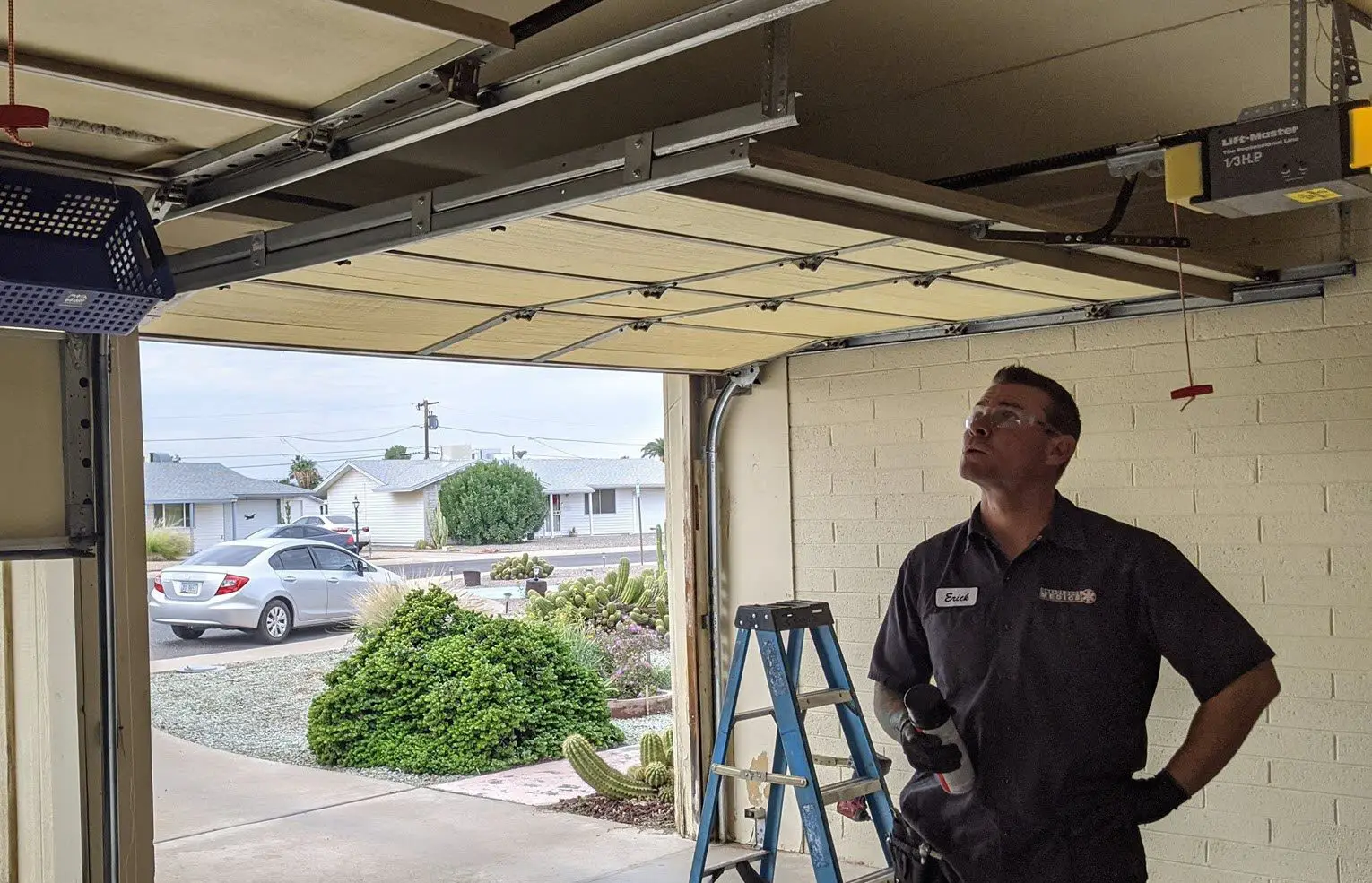
Professional safety inspections examine components beyond typical homeowner knowledge. Certified technicians test spring tension, cable integrity, and opener force settings. They identify worn parts before failure occurs during normal operation. Expert evaluation provides comprehensive protection that DIY checks cannot match completely.
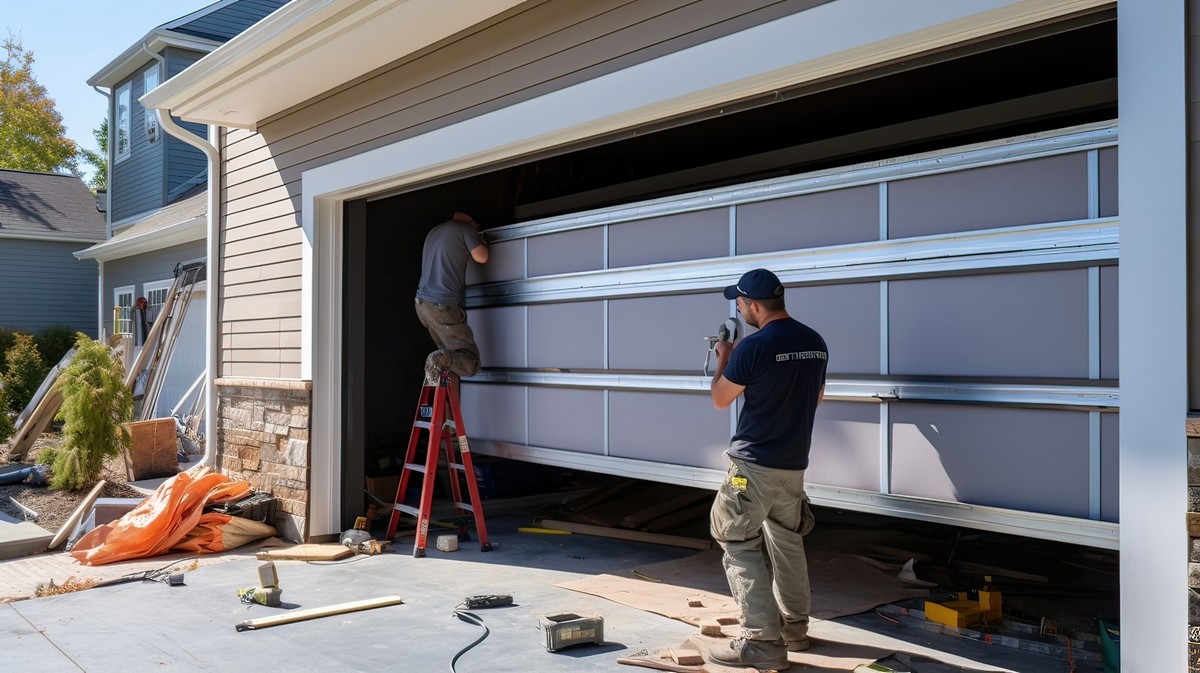
Older doors benefit tremendously from modern safety upgrades and improvements. Technicians can retrofit auto-reverse sensors onto doors lacking this feature. They install pinch-resistant hinges and tamper-resistant brackets on existing systems. Upgrading outdated openers adds rolling code security and enhanced safety features. These improvements protect families while increasing home value simultaneously.
Contact us for a comprehensive garage door safety inspection today. We prioritize family protection in every service we provide. Our experts identify hazards and recommend solutions that keep children safe.