
You wake up ready to start your day and rush to leave for work. You press the garage door opener button, but nothing happens. Your garage door won’t open, and you’re stuck inside with a car that can’t get out. This frustrating scenario happens more often than you’d think.
Overnight sitting creates specific mechanical problems that prevent doors from opening smoothly. Temperature drops, condensation buildup, and lack of movement affect critical components. Metal parts contract, lubricants thicken, and sensors shift out of alignment. These changes happen silently while you sleep and cause morning frustration.
This guide explains why your garage door won’t open after sitting overnight in Long Beach. You’ll discover five common causes that create morning malfunctions. We’ll share quick troubleshooting steps you can try immediately. Finally, you’ll learn prevention strategies and when professional help becomes necessary.
How Temperature Shifts Affect Door Operation
Temperature drops overnight cause metal components to contract and change size slightly. Springs, tracks, rollers, and cables all shrink when temperatures fall. This contraction creates tighter tolerances and increased friction between moving parts. Components that moved freely during warmer daytime hours become stiff and resistant.
Morning condensation adds another layer of complexity to the problem. Cool overnight air holds less moisture than warm daytime air. When temperatures rise after sunrise, water droplets form on cold metal surfaces. This moisture creates temporary rust spots and increases friction dramatically. Condensation also freezes in colder weather, literally cementing parts together.
These temperature effects combine to create the perfect conditions for failure. Springs lose flexibility and can’t lift the door’s weight effectively. Tracks develop frost or moisture that binds rollers in place. Even your garage door opener struggles when increased resistance overwhelms its lifting capacity. Understanding these factors helps you prevent morning problems.
Common Reasons Your Garage Door Won’t Open in the Morning
Several specific issues cause your garage door to not open after sitting overnight sitting. Each problem relates to the unique conditions that develop during nighttime hours. Recognizing these causes helps you identify and fix issues quickly.
Stiff or Frozen Springs
Cold temperatures make springs rigid and less responsive to opener commands. Torsion springs lose flexibility when metal contracts overnight. Extension springs become stiff and can’t stretch properly. The opener tries to lift the door, but frozen springs won’t cooperate. Broken springs often snap during the first morning use after cold nights.
Condensation Causing Track Problems
Overnight moisture creates friction and binding inside door tracks. Water droplets settle in the track channels where rollers move. This moisture acts like glue between rollers and metal tracks. Doors stick in place or move jerkily with grinding sounds. Off track doors frequently result from forcing stuck rollers.
Sensor Misalignment from Temperature Shifts
Thermal expansion and contraction move photo-eye sensors out of alignment overnight. These safety sensors must line up perfectly for doors to operate. Even slight shifts break the invisible beam between sensors. Your opener receives a false obstruction signal and refuses to close or open. The door won’t move despite nothing blocking the opening.
Dead Batteries in Remote or Keypad
Cold temperatures drain batteries faster than warm conditions do. Remote controls and wireless keypads lose power sitting in cold garages overnight. You press the button expecting the door to open, but nothing happens. The problem seems like a major mechanical failure but actually needsa simple battery replacement.
Lubrication Thickening in Cool Air
Lubricants become stiff or gummy when temperatures drop during night hours. Thick grease can’t flow properly between moving parts anymore. Springs, hinges, and rollers develop increased resistance that overwhelms the opener. The motor runs but can’t generate enough force to overcome sticky components.
Most overnight opening failures stem from these five preventable causes. Temperature changes create the conditions, while poor maintenance allows problems to develop. Regular care and proper lubrication eliminate most morning frustrations. Professional inspections catch developing issues before they strand you inside.
Immediate Steps When Your Door Gets Stuck
Start troubleshooting by checking the simplest solutions first when problems occur. Replace batteries in your remote control or keypad immediately. Test the wall-mounted button inside your garage to rule out remote issues. Check that nothing blocks the photo-eye sensors along the door opening. Clean sensor lenses and verify they show solid indicator lights.
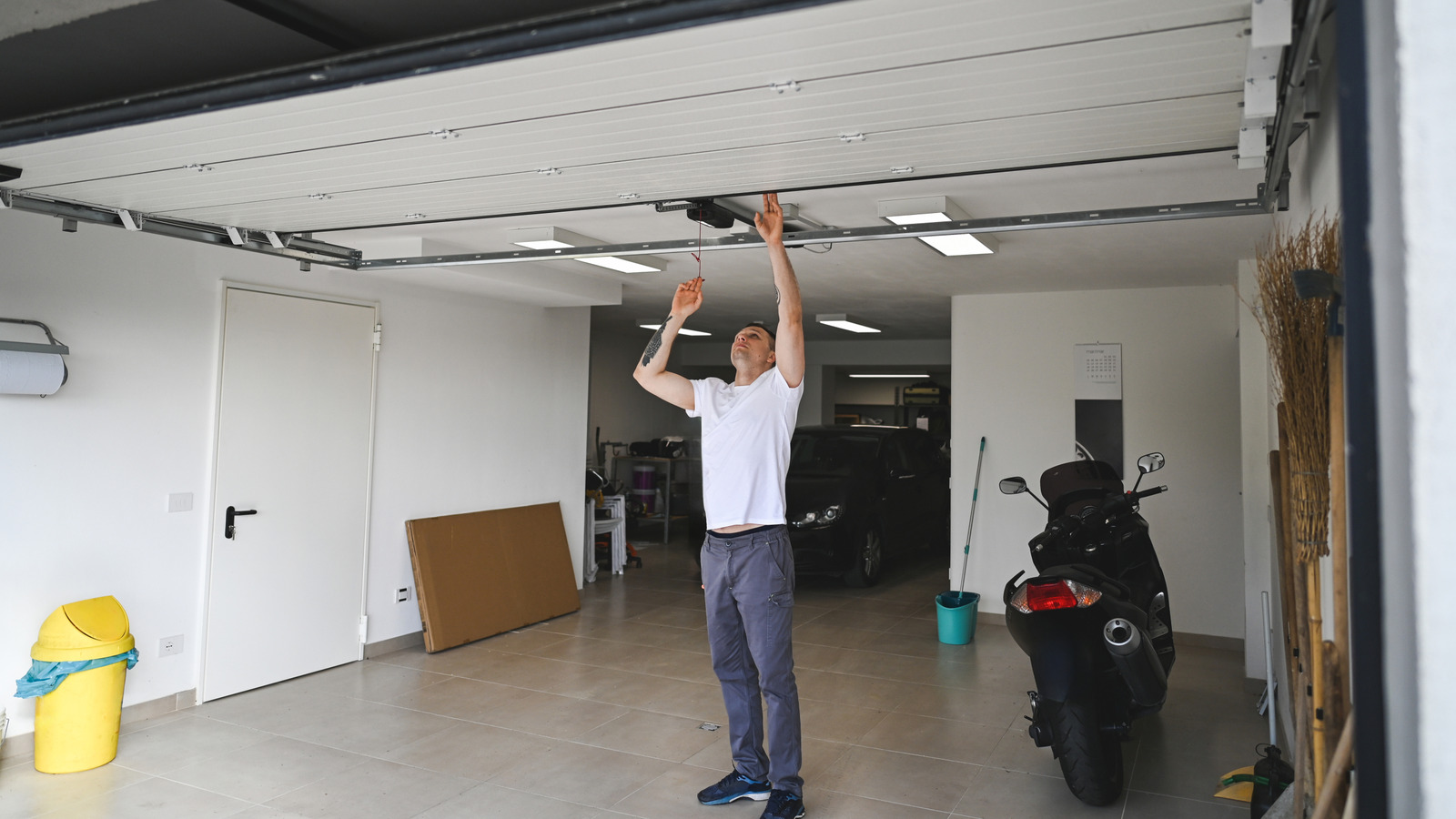
Pull the manual release handle to disengage the opener from the door. This red handle hangs from the opener trolley on a cord. Carefully try lifting the door manually to test if it moves freely. A properly balanced door lifts smoothly with minimal effort. Heavy resistance indicates spring, track, or roller and cable problems requiring professional repair.
Never force a stuck door or continue pressing the opener button repeatedly. Forcing creates additional damage to already stressed components. Repeated opener activation overheats the motor and burns out internal circuits. Stop immediately if you hear grinding, scraping, or unusual sounds. These noises indicate serious mechanical problems that need expert garage door repairs rather than DIY fixes.
Preventing Overnight Operating Failures
Regular lubrication prevents most temperature-related stiffness and friction problems. Apply silicone-based lubricant to springs, hinges, and rollers every three months. Use products specifically designed for garage doors rather than general-purpose oils. Proper lubrication maintains smooth operation regardless of temperature fluctuations overnight.
Replace worn weatherstripping that allows cold air and moisture inside the garage. Good seals maintain more stable temperatures and reduce condensation formation. Adjust your opener’s force settings seasonally to account for temperature changes. Higher force settings help overcome increased resistance during colder months. Keep parts and accessories in good condition through regular inspection.
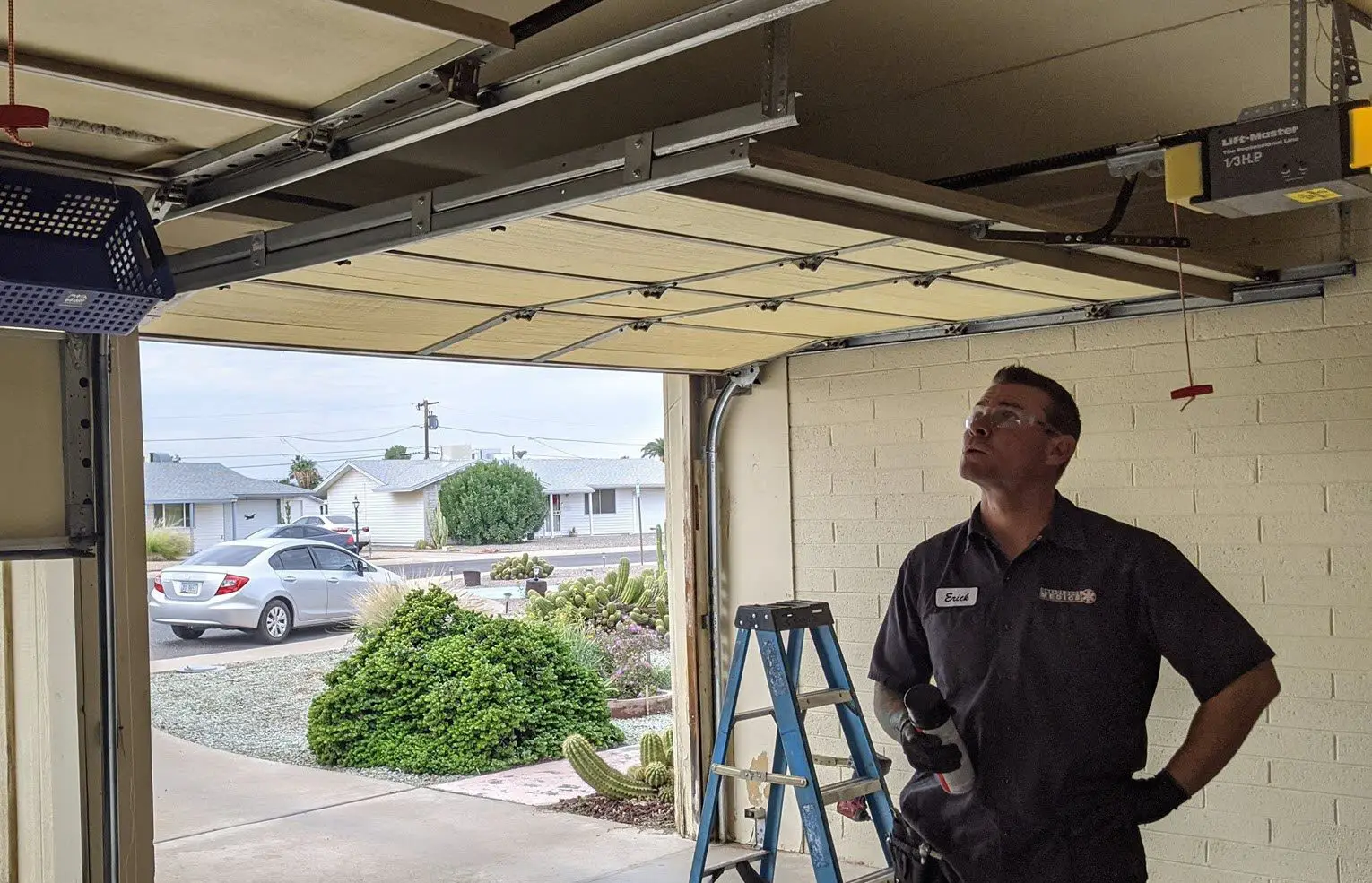
Schedule professional maintenance twice yearly to catch developing problems early. Technicians adjust spring tension, align tracks, and test all safety features. They apply professional-grade lubricants that perform better in temperature extremes. Spring and fall tune-ups prepare your door for seasonal temperature changes ahead.
When Professional Service Becomes Necessary
DIY troubleshooting works for simple issues like dead batteries or sensor misalignment. However, mechanical problems require professional expertise and specialized tools. Attempting spring repairs yourself creates extreme injury risk from stored tension. Garage door springs contain enough force to cause serious harm or death.
Professional diagnostics identify the root cause rather than just treating symptoms. Technicians test spring tension, measure door balance, and inspect all moving components. They replace worn parts before complete failure occurs. Expert service restores reliable operation and prevents recurring morning frustrations with opening problems.
Contact us immediately when your garage door won’t open. Our technicians provide 24/7 emergency service throughout Long Beach. We’ll get your door working quickly with no extra charges for early morning calls.