
How to Fix a Noisy Garage Door
How to Fix a Noisy Garage Door: Professional Garage Door Lubrication and Noise Troubleshooting Guide
A noisy garage door can be more than just an annoyance; it can indicate underlying issues that need immediate attention. Whether it’s squeaking, grinding, or rattling, these sounds can disrupt your daily routine and signal potential wear on the garage door system. This guide will help you understand the causes of a noisy garage door and offer practical solutions to address them. You will learn about essential garage door lubrication techniques, noise troubleshooting methods, and when to seek professional help.
If you’re experiencing noise issues, Precision Garage Door Service specializes in garage door repair, maintenance, and installation services tailored to homeowners and businesses in Long Beach, CA. They can provide expert diagnostics and effective solutions for noisy garage doors. address these issues.
Garage Door Lubrication Techniques
Garage door lubrication is a key factor in reducing noise and ensuring smooth operation. Regularly lubricating your garage door components prevents wear and tear, prolonging their lifespan. The lubrication process typically involves applying appropriate products to components such as hinges, rollers, and tracks, thereby enhancing their performance and minimizing noise during operation. Each type of lubricant has specific properties that can impact effectiveness; thus, choosing the right one is crucial for optimal maintenance.
This table illustrates the differences between commonly used lubricants, highlighting their application methods and benefits for different garage door components.
Identifying Noise Types
Understanding the various sounds your garage door might produce is essential for troubleshooting effectively. Different noises can indicate specific problems, making it easier to pinpoint the source of the issue. For example, squeaking usually signifies insufficient lubrication, while grinding sounds often suggest that components may be worn. It’s important to monitor these noises closely to determine whether they require simple fixes or more comprehensive repair actions.
Common Causes of Noise
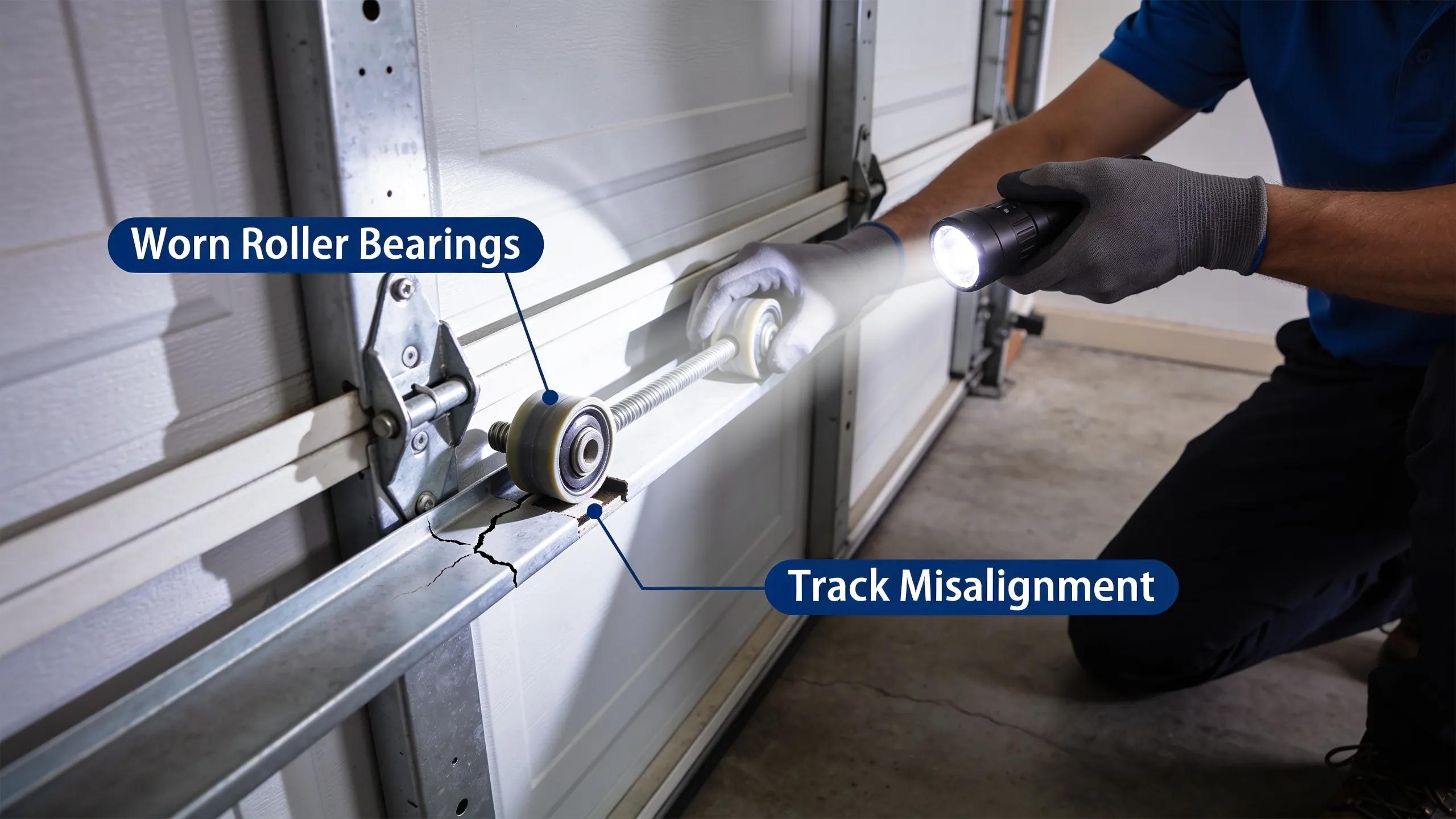
Several factors contribute to garage door noise. Worn rollers, loose hardware, and lack of lubrication are among the most common culprits. Worn rollers can create significant friction, while misaligned tracks can lead to grinding noises. Additionally, weather-related factors can exacerbate noise issues by affecting the lubrication’s performance, making regular maintenance even more critical.
Seasonal Considerations
Environmental conditions can also impact garage door performance. Cold weather may cause lubricants to stiffen, leading to increased resistance and noise. In contrast, excessive heat can affect the door’s materials, potentially causing expansion and misalignment. Therefore, it is important to adjust maintenance practices with the seasons to keep your garage door operating quietly and efficiently.
Professional Assistance
If noise persists despite regular maintenance and lubrication, it may be time to call in a professional. Signs that you should seek help include persistent noise after lubrication, visible damage to components, or a door that operates unusually. Professional garage door services can diagnose underlying issues and recommend the best course of action for repair or replacement.
What Are the Common Causes of Garage Door Noise?
Identifying the root causes of noise is the first step in troubleshooting your garage door. It often boils down to worn components, such as rollers or springs, and inadequate lubrication. A lack of lubrication on crucial parts can lead to squeaks and grinding sounds, while misalignments can create harsher noises as the door moves. Recognizing these issues early can prevent further damage and ensure your garage system runs smoothly.
How Do Worn Rollers and Cables Contribute to Garage Door Squeaks?
Worn rollers can significantly impact the operational noise of a garage door. When rollers wear down, they lose their smooth surface, which increases friction during movement. This leads to squeaking or grinding sounds that may become worse over time. Additionally, frayed cables can cause uneven lifting, exacerbate noise issues, and potentially lead to more severe mechanical failures if not addressed promptly. Learn more about rollers and cables.
Can Broken Springs and Off-Track Conditions Increase Garage Door Noise?
Yes, broken springs and off-track conditions can critically increase garage door noise. Broken springs affect the door’s tension, causing it to move unevenly and produce loud banging or clattering sounds. Similarly, when the door goes off-track, it may hit walls or other objects, causing additional noise and potential damage. Regular inspection and maintenance of springs and tracks are essential to avoid these noise-related issues. Addressing broken springs and off-track doors are crucial.
How Can Proper Lubrication Reduce Garage Door Noise?
Proper lubrication is vital to minimizing the noise your garage door makes. By applying the right lubricant to the appropriate components, you significantly reduce friction, which is often the root cause of screeching and grinding sounds. Regular lubrication not only quiets the door during operation but also enhances its overall efficiency and extends its lifespan.
What Are the Best Garage Door Lubrication Tips for Smooth Operation?
Here are several best practices for lubricating your garage door effectively:
- Frequency: Lubricate every six months to ensure consistent performance.
- Choose the Right Products: Use silicone sprays for hinges and lithium greases for tracks.
- Clean Components: Always clean the components before applying lubricant to avoid grime buildup.
Incorporating these lubrication practices will help maintain a quieter garage door and improve its longevity.
How Often Should Garage Door Components Be Lubricated for Noise Prevention?
To reduce noise, it is advisable to lubricate the garage door components at least twice a year, ideally in spring and autumn. Seasonal conditions can affect lubrication quality, so it is advisable to check and reapply as necessary, particularly after extreme weather events. Keeping components clean and lubricated helps to ensure that the door operates smoothly and silently.
What Are Effective Garage Door Noise Troubleshooting Steps?
Addressing noise issues requires a systematic approach. Follow these steps:
- Identify the Noise Type: Listen closely to determine whether it squeaks, grinds, or rattles.
- Visually Inspect Components: Check rollers, tracks, and cables for wear or misalignment.
- Lubricate: Ensure all moving parts are properly lubricated.
- Test Operation: Operate the door several times to verify noise reduction.
By systematically addressing these issues, you can effectively troubleshoot and resolve noise problems.
How to Identify and Repair Garage Door Squeaks and Creaks?
To identify and repair squeaks and creaks in your garage door:
- Inspect Rollers and Tracks: Look for worn rollers or visible dirt and debris in the tracks.
- Apply Lubricant: Use the appropriate lubricant based on the type of noise and components observed.
- Adjust Components: Ensure that all parts are properly aligned and secured to prevent further noise.
Taking these proactive steps will help mitigate future noise issues and extend the life of your garage door system.
When Should You Call Professional Garage Door Repair Services in Long Beach?
Call a professional if you notice persistent issues despite regular maintenance, or if you identify any signs of significant wear or malfunction. Precision Garage Door Service is equipped to handle complex repairs and provides expertise in maintaining a quiet, efficient garage door system. Regular professional check-ups can identify potential issues before they escalate into costly repairs. You can find comprehensive garage door repair services at Precision Garage Door Service.
What Is the Best Garage Door Maintenance Guide to Prevent Noise Issues?
To maintain a quiet garage door, follow these guidelines:
- Regular Inspection: Check for wear and tear on all components every six months.
- Lubrication Schedule: Stick to a lubrication routine to prevent friction-related noise.
- Address Issues Promptly: Do not ignore noises; address them quickly to prevent larger problems.
These practices will ensure your garage door remains in optimal operating condition and serves you well for years to come.
Which Routine Inspections Help Detect Garage Door Noise Causes Early?
Routine inspections are vital for early detection of noise causes. Focus on:
- Visual Checks for Wear: Look for cracks, rust, or other damage on springs and tracks.
- Functional Testing: Operate the garage door to listen for unusual sounds.
- Hardware Tightness: Ensure all screws and bolts are secure; loose hardware can cause rattling.
Regular assessments can save you time and prevent costly repairs by ensuring that minor issues are addressed promptly.
How Do Recent 2023 Industry Standards Inform Garage Door Noise Management?
Recent industry standards emphasize the importance of using high-quality materials and proper installation techniques to minimize noise. Adhering to these updated guidelines ensures that your garage door operates quietly and efficiently. Staying informed about the latest advancements in garage door technology can help homeowners make decisions that reduce noise and enhance overall functionality.
New research highlights how innovative technologies could offer even quieter and more energy-efficient solutions for garage door systems.