Signs Your Garage Door Springs Are Broken
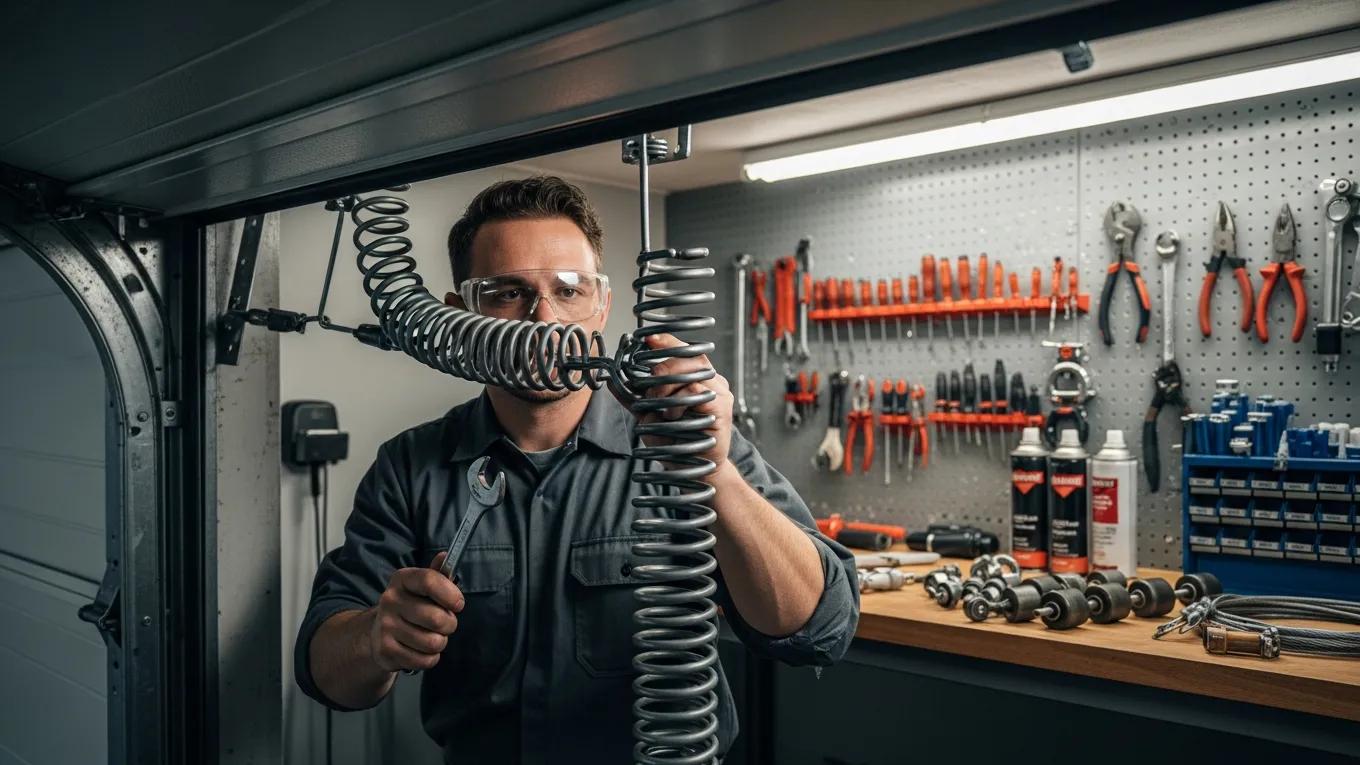
How to Identify Signs Your Garage Door Springs Are Broken for Timely Repair
Garage door springs are crucial components that enable the smooth operation of your garage door. When they malfunction, not only can they cause inconvenience, but they can also pose safety risks. This article aims to guide homeowners in recognizing essential signs indicating broken garage door springs. By understanding these symptoms, you can avoid further damage and ensure a timely repair or replacement. We will delve into common indicators of spring failure, the causes of such breakage, and the importance of seeking professional help when necessary.
What Are the Common Symptoms of Broken Garage Door Springs?
Recognizing the symptoms of broken garage door springs is essential for maintaining the safety and functionality of your garage. Common indicators include difficulty in opening or closing the door, unusual noises during operation, and visible signs of wear. These symptoms can swiftly escalate into more significant issues if not addressed promptly.
Delving deeper into mechanical issues, it’s clear that understanding the fundamental physics of these systems is paramount to effective troubleshooting.
How Does Garage Door Spring Noise Indicate Damage?
Unusual noises from your garage door system often signal spring-related issues. For instance, loud bangs may indicate the potential breaking of a spring, while creaking sounds can suggest that the spring is worn out. Ignoring these noises can lead to further damage, making it crucial to investigate any unusual sounds immediately. For more information on this, you can look into common issues with noisy doors.
Why Does the Garage Door Fail to Open or Close Properly?
When a garage door fails to open or close smoothly, it can often be attributed to spring problems. If the springs are damaged, they cannot efficiently lift or lower the door, which may result in a misalignment. Additionally, other mechanical issues, such as faulty garage door openers, can compound these problems. Hence, it is vital to assess the entire system for effective resolution.
What Causes Garage Door Springs to Break and How Does Tension Affect Them?
Several factors can contribute to garage door spring failures. Wear and tear from regular usage, exposure to rust, and incorrect tension adjustments play significant roles in their longevity. Understanding these causes helps identify the symptoms and aids in preventing future breakage. Discover more about potential garage door repairs that might be needed.
How Does Spring Wear and Rust Lead to Breakage?
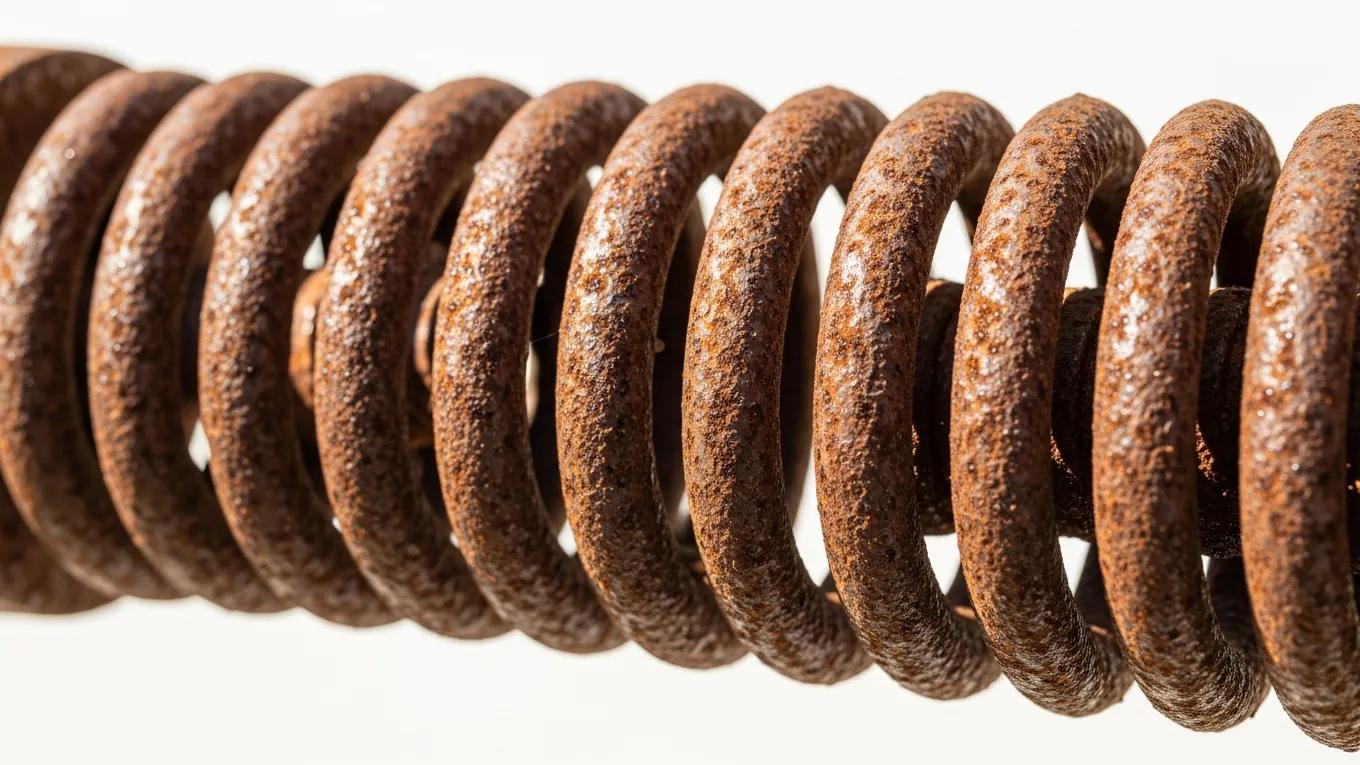
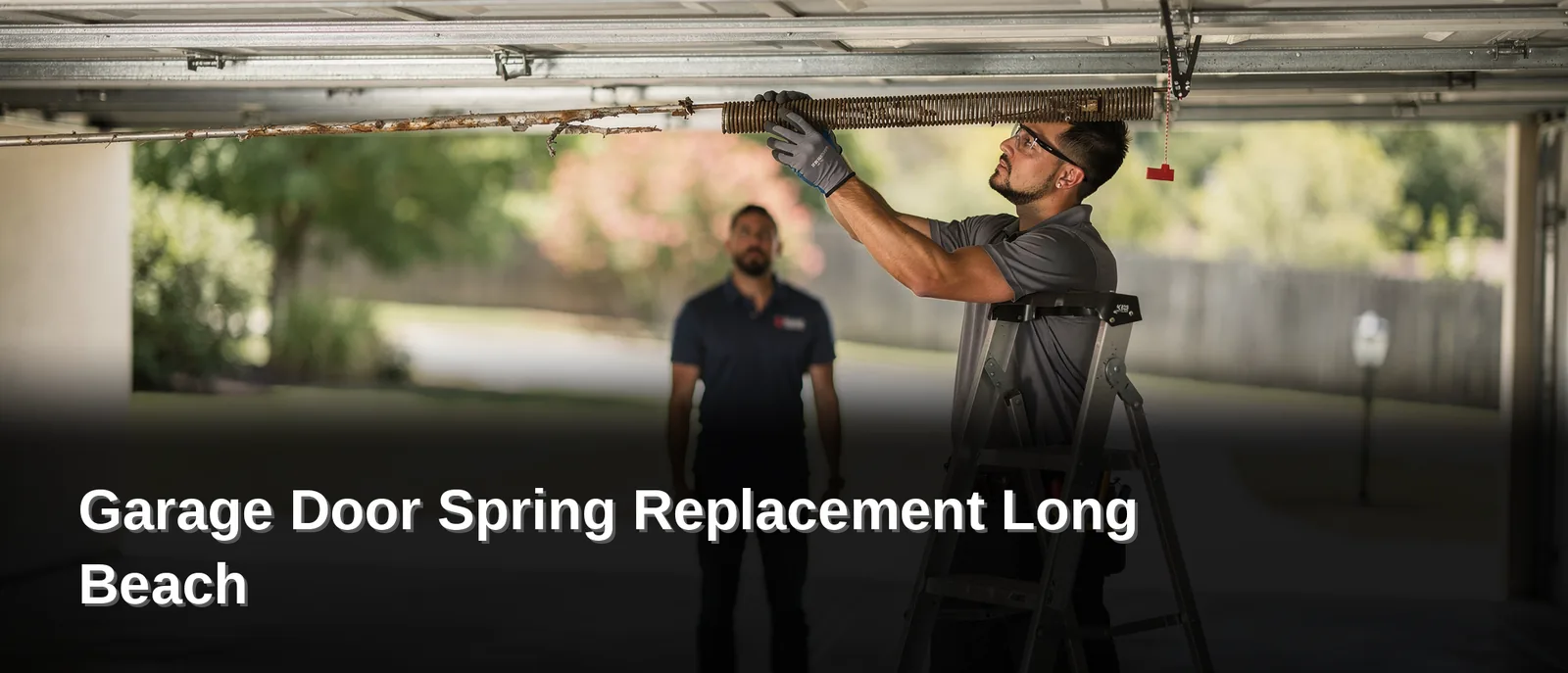
As garage door springs age, they are subject to wear and potential rust formation. Rust develops particularly in damp environments, weakening the spring’s structural integrity and leading to breakage over time. Regular maintenance, including lubrication and inspections, can help mitigate these risks and prolong the life of your springs.
What Is the Role of Spring Tension Adjustment in Preventing Breaks?
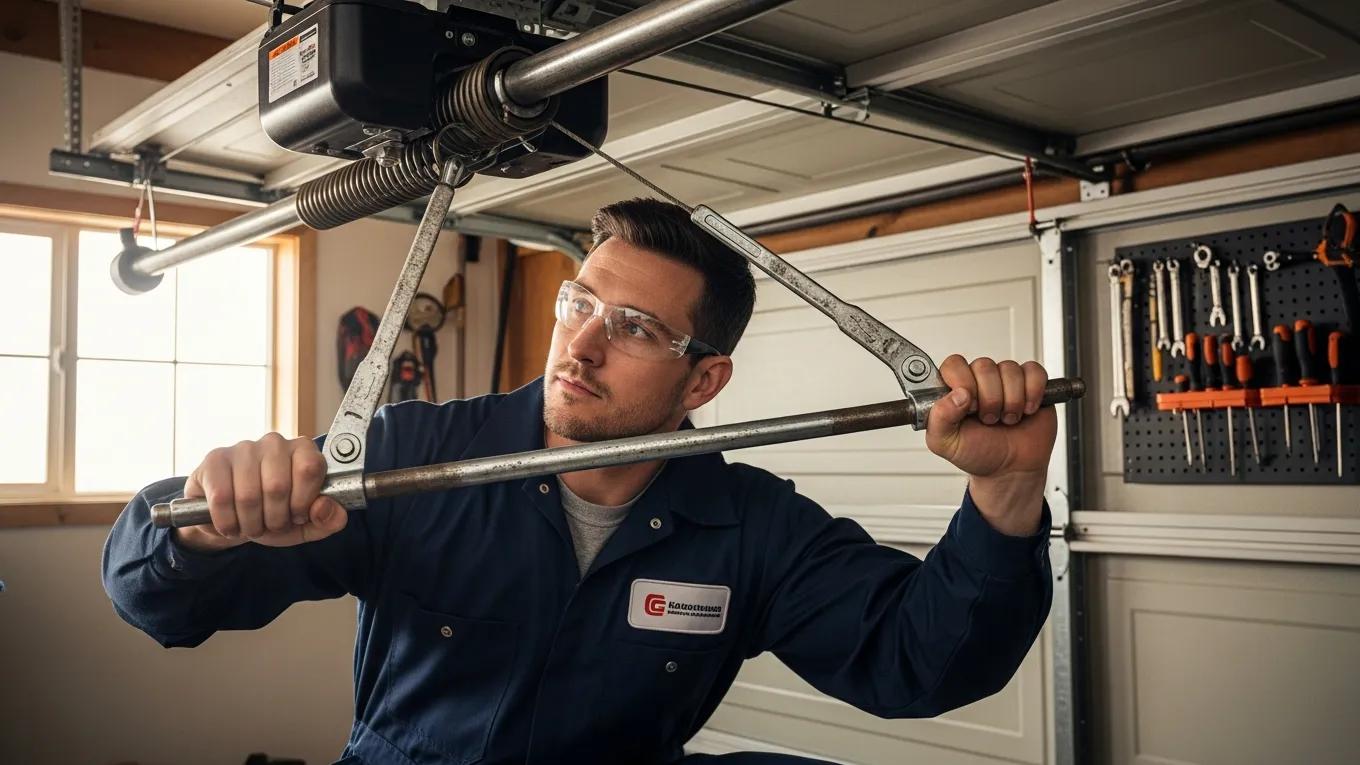
Proper spring tension is critical for the effective operation of garage doors. If the tension is too tight or too loose, it can lead to increased stress on the springs, resulting in premature failure. Adjusting spring tension should only be done by professionals, as incorrect adjustments can present serious safety hazards.
When Should You Consider Professional Garage Door Spring Repair or Replacement?
Recognizing when to seek professional help is crucial for garage door safety. If you notice symptoms of broken springs, it is advisable to consult with a technician to evaluate the situation. Professional analysis can determine whether repairs or replacements are necessary to avoid further complications and potential hazards.
What Are the Safety Risks of DIY Garage Door Spring Repair?
Attempting DIY repairs on garage door springs can pose significant safety risks. The high tension in springs can lead to serious injuries if mishandled. Furthermore, improper installation or repairs can exacerbate the problem, leading to accidents. Relying on trained professionals ensures safety and a thorough job.
How Can Regular Maintenance Prevent Garage Door Spring Damage?
Regular maintenance is key to prolonging the lifespan of garage door springs. A proactive approach, including periodic inspections, can identify minor issues before they snowball into larger, costlier problems. Additionally, this practice can enhance the overall performance of the garage door system.
What Are Effective Garage Door Maintenance Tips for Spring Longevity?
To ensure optimal performance and longevity of garage door springs, homeowners should follow these maintenance tips:
- Perform Regular Inspections: Check for signs of wear, rust, or damage at least twice annually.
- Lubricate Moving Parts: Use a silicone-based lubricant on springs to prevent rust and wear.
- Adjust Tension Correctly: If necessary, have a professional adjust the tension to ensure optimal operation.
These steps can significantly reduce the likelihood of spring failure and maintain the functionality of the garage door. For related components, exploring rollers and cables maintenance is also beneficial.
How Do Seasonal Conditions Impact Garage Door Springs in Long Beach, CA?
Seasonal changes can greatly affect garage door spring performance. For instance, the coastal conditions in Long Beach, CA, may accelerate rusting, while humidity can weaken springs. Homeowners should consider these environmental factors when implementing maintenance practices.
By understanding how seasonal conditions impact garage door springs and applying effective maintenance tips, you can enhance the longevity and reliability of your garage door system. Remember, if you detect signs of broken springs, working with a qualified service provider like Precision Garage Door Service is crucial for ensuring safety and performing necessary repairs efficiently. For information on replacement parts and accessories, visit precisiondoorlongbeach.com/parts-accessories/.