Why Your Garage Door Won’t Open or Close
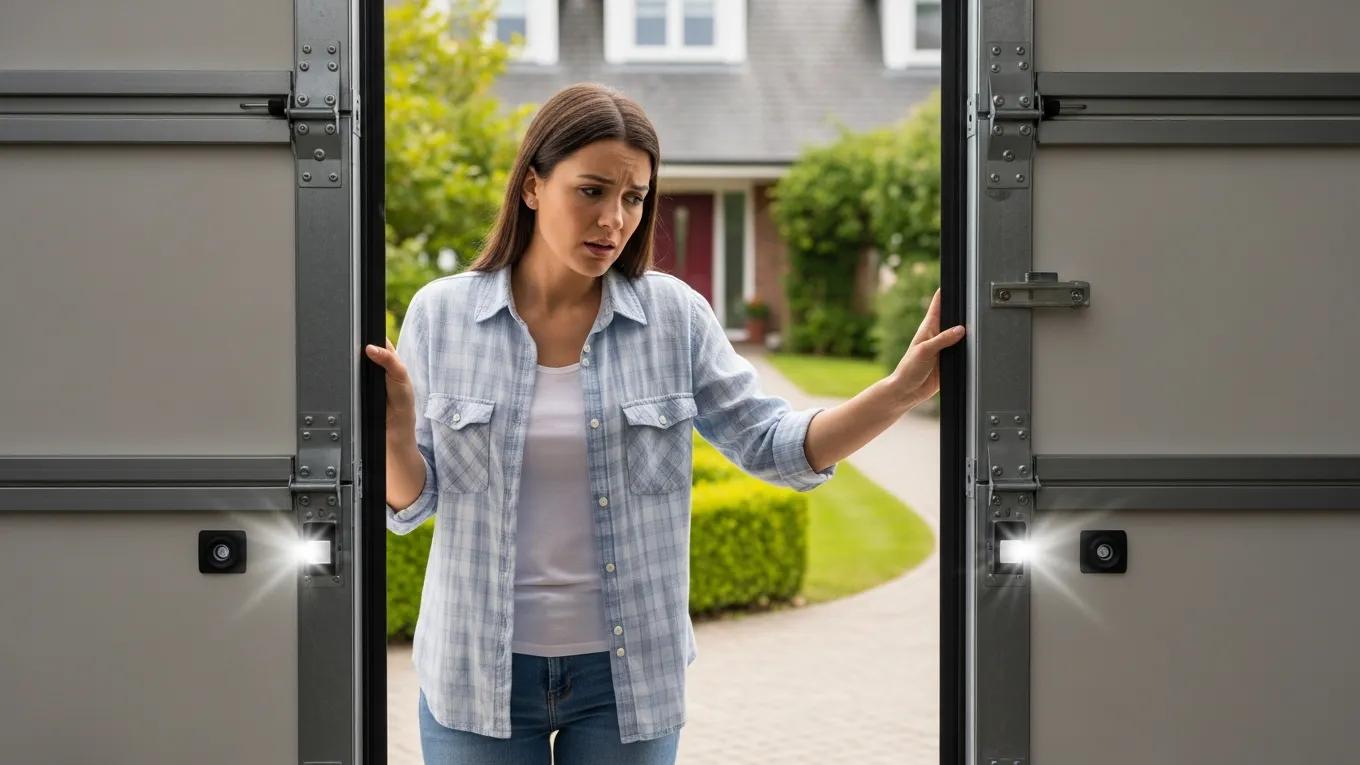
Why Your Garage Door Won’t Open or Close: Professional Solutions for Common Garage Door Failures
Garage doors are essential for secure and convenient access to your home. However, you may encounter frustrating situations where your garage door does not open or close as expected. Understanding the underlying causes can save you time and money in repairs. This article will explore common issues that prevent garage doors from functioning, methods for diagnosing these issues, effective repair techniques, and preventative measures to maintain your garage door’s functionality. With knowledge about these common failures, you can address problems proactively and maintain the safety and accessibility of your home.
Common Issues
Various factors can contribute to a garage door that won’t open or close properly. Recognizing these issues early can lead to quicker solutions without unnecessary expenses.
- Photo-eye Malfunctions: These sensors are designed to detect obstructions in the path of the door. If they are misaligned or dirty, they can prevent the door from operating.
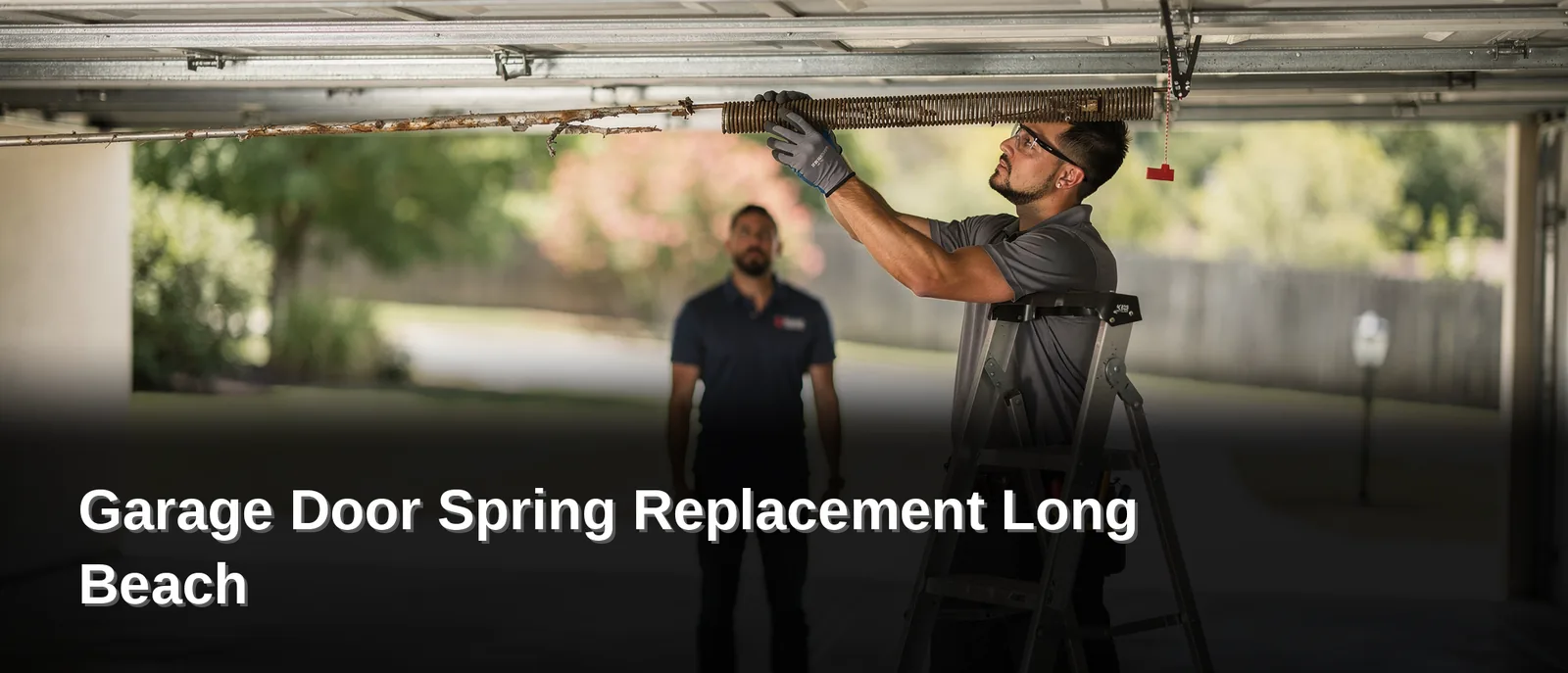
- Broken Springs: Springs bear the weight of the garage door and allow it to open smoothly. A broken spring can lead to the door becoming inoperable. For guidance on this common issue, consider exploring professional broken spring repair.
- Electrical Issues: Problems with power supplies or wiring can hinder the operation of automatic garage door openers, resulting in malfunctioning doors.
Identifying these common issues will help you determine the appropriate diagnostic methods to use.
Diagnosis
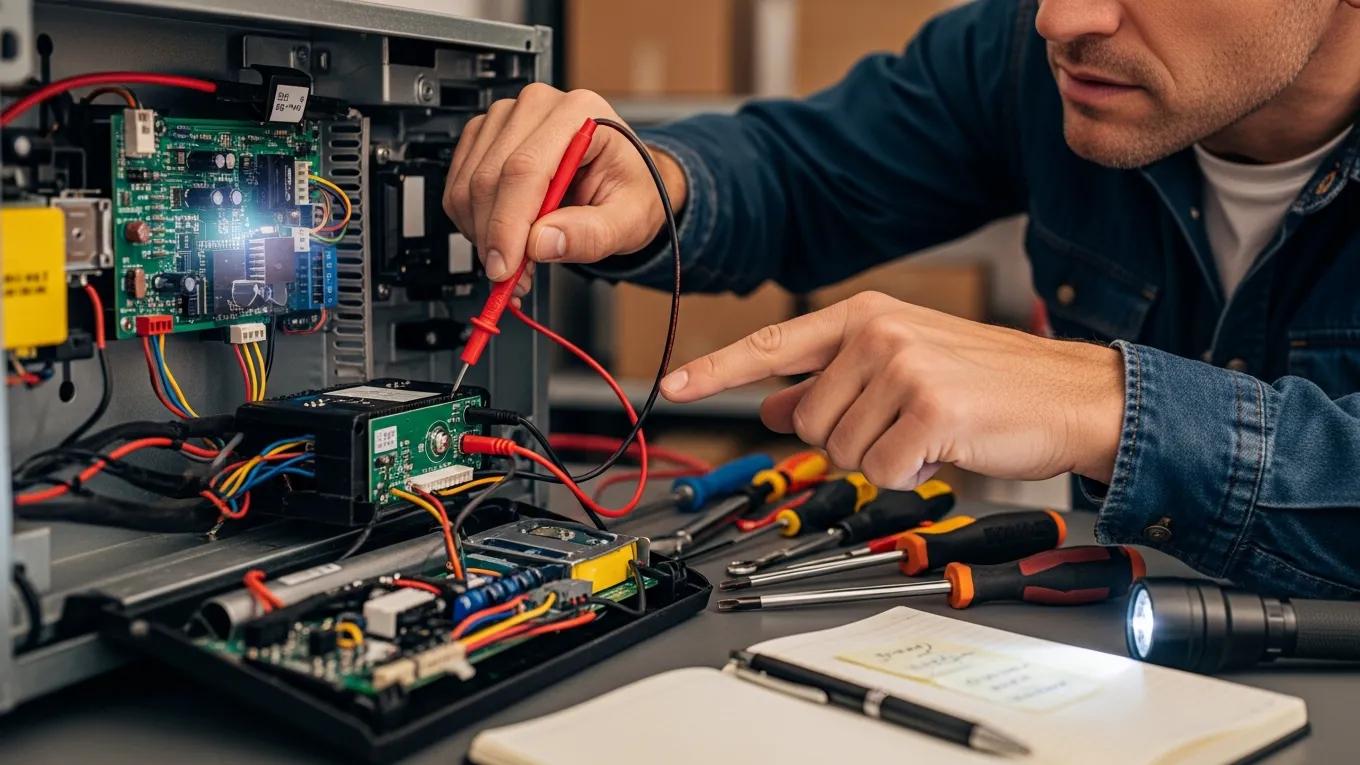
Correctly diagnosing the problem plaguing your garage door is the first step toward a solution. Here are effective methods for identifying issues:
- Visual Inspection: Begin with a thorough inspection of the door, tracks, and surrounding components to identify visible defects or misalignments.
- Testing the Opener: Ensure the garage door opener is receiving power. If the opener doesn’t respond, check if the circuit breaker is tripped or if the remote control batteries are dead.
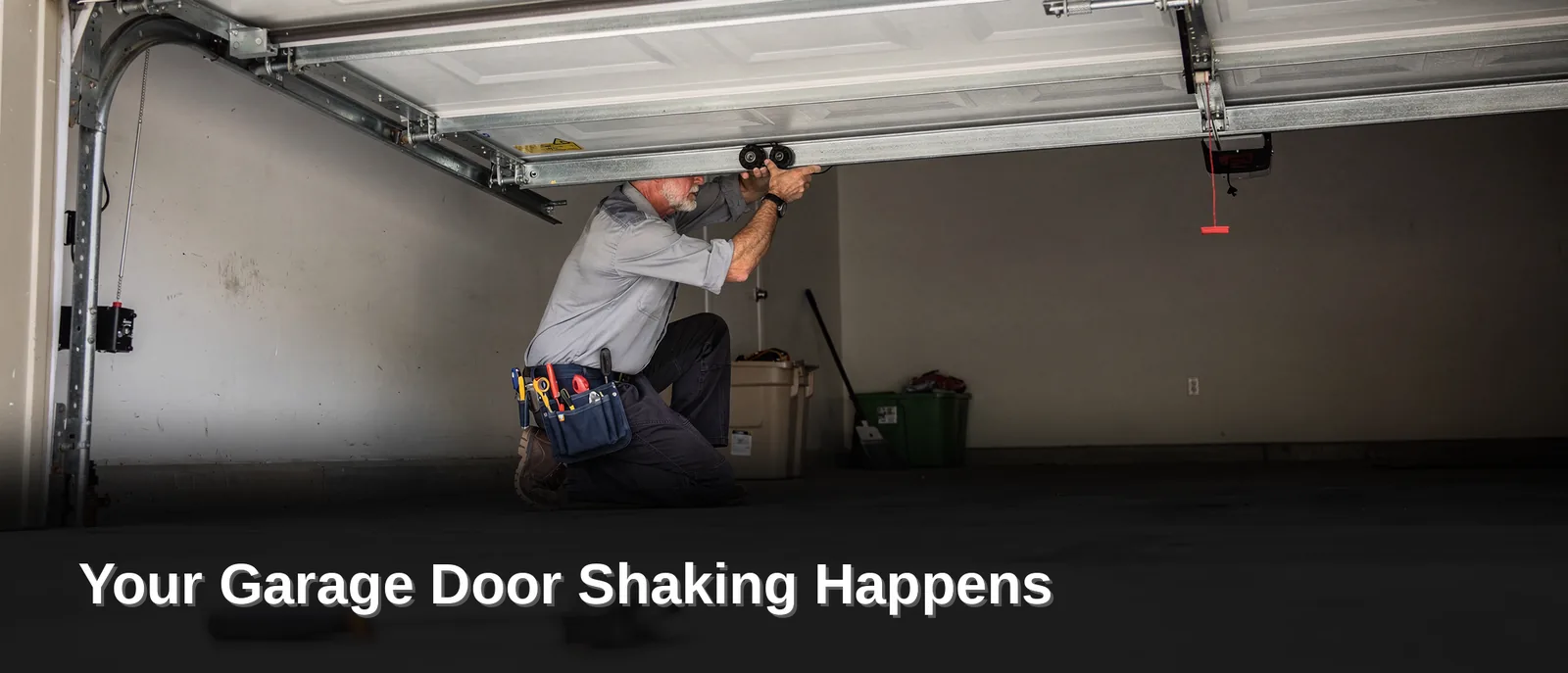
- Listening for Noises: Unusual sounds—like grinding or straining—can indicate that parts like the motor or springs are struggling or failing. Addressing noisy door issues promptly can prevent further damage.
Using these diagnostic techniques can streamline the process of determining the root cause, allowing for more tailored and effective repairs.
Repair Techniques
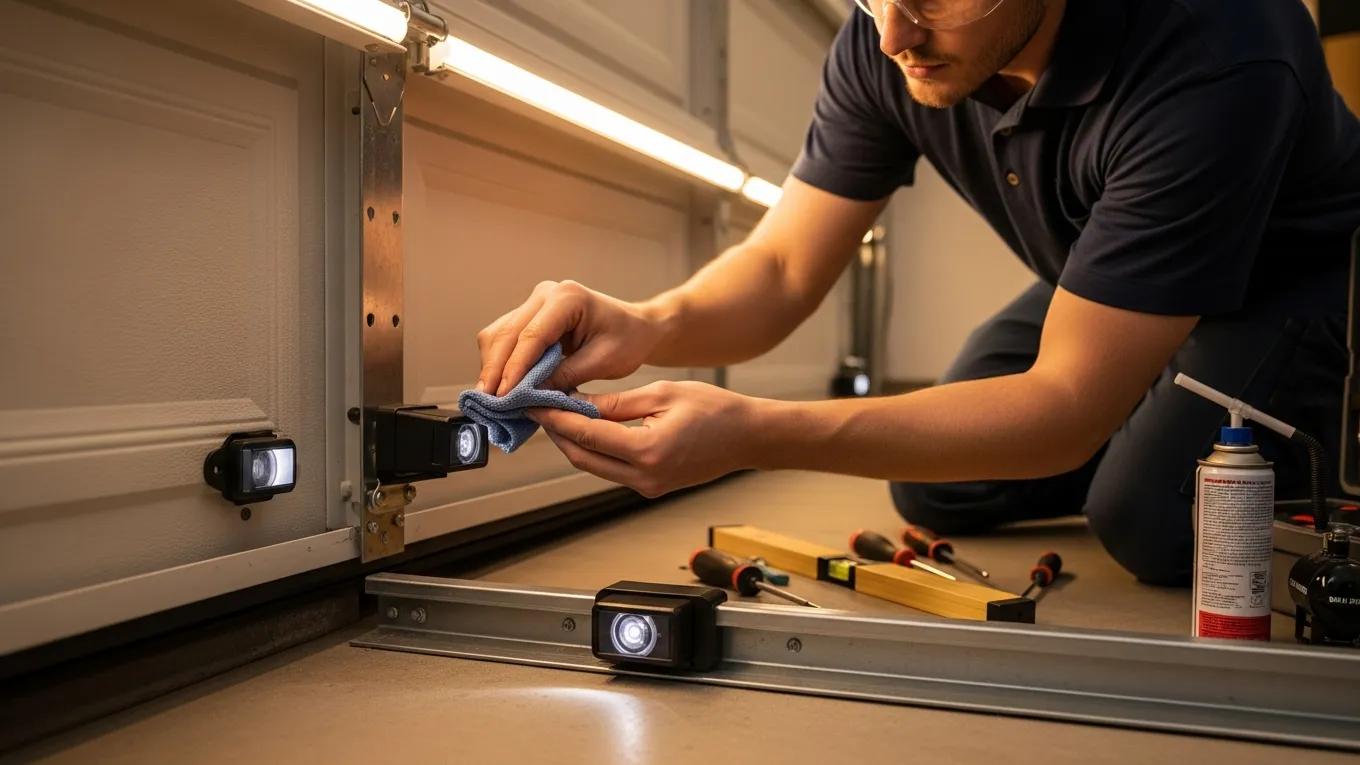
Once the diagnostics suggest specific issues, you can explore effective repair techniques to resolve them. Here are some actionable repair methods:
- Cleaning and Aligning Sensors: Ensure that the photo-eye sensors are clean and correctly aligned. Use a soft cloth to wipe them clean and check their positioning.
- Spring Replacement Methods: If you find that the springs are broken, consult with a professional service. Replacing a spring is a complex task that requires specific tools and safety measures.
- Cable Repair Techniques: For snapped cables, assess whether they can be reattached or if replacement is necessary. Make sure to replace them with the correct tension specifications. For issues with these components, consider looking into rollers and cables services.
For those interested in DIY repairs, steps can vary significantly by model and functionality. When it comes to comprehensive repairs, consulting professional services can ensure safety and efficacy. Precision Garage Door Service specializes in garage door repairs, offering expert assessments and services. Explore their garage door repairs.
This table summarizes different repair techniques available, providing insight into their requirements and benefits for restoring garage door functionality.
Preventative Measures
To maintain the long-term functionality of your garage door, implementing preventative measures is essential:
- Regular Maintenance Scheduling: Have professional inspections at least once a year to catch potential issues early.
- Lubrication Recommendations: Regularly lubricate moving parts, including tracks and rollers, to ensure smooth operation and reduce friction wear.
- Inspection Tips: Perform periodic self-checks to assess wear and condition, looking specifically for rust, misalignment, or loose components.
By prioritizing these preventative strategies, you can extend the life of your garage door and reduce the likelihood of future problems.