Living near the beach in Long Beach comes with stunning ocean views and cool breezes. However, that same salty air can silently damage your garage door. Salt particles carried by coastal winds create unique challenges for homeowners.
Coastal air accelerates rust and corrosion on metal components. Many homeowners notice their garage doors in Long Beach deteriorating faster than expected. The combination of salt, moisture, and humidity takes a toll on springs, tracks, and hardware. This leads to costly repairs and safety concerns.
In this guide, you’ll discover how salt air damages garage doors in Long Beach. We’ll cover the science behind coastal corrosion and warning signs to watch for. You’ll also learn practical maintenance tips to protect your investment. Finally, we’ll explain when to call professional help for repairs.
Understanding Long Beach’s Coastal Climate
Long Beach sits directly on the Pacific Ocean coastline. This prime location exposes homes to constant salt air. Ocean breezes carry tiny salt particles several miles inland. Even homes a few blocks from the beach aren’t safe from this exposure. The salt settles on everything, including your garage door.
Humidity levels in Long Beach remain high year-round. The ocean creates moisture in the air that never fully dissipates. Additionally, temperature changes between day and night cause condensation. This moisture combines with salt particles to create a corrosive mixture. Metal components stay damp longer than in inland areas. These conditions often lead to frequent garage door repairs for coastal homeowners.
These factors work together to attack garage doors in Long Beach. The constant salt exposure weakens protective coatings. Moisture keeps metal surfaces wet, speeding up oxidation. Furthermore, the mild climate means your garage door faces this assault every single day. Unlike harsh winters that might pause corrosion, coastal damage happens continuously.
How Salt Air Damages Garage Doors
Salt air doesn’t just affect the appearance of your garage door. It causes serious structural damage over time. Understanding how corrosion works helps you spot problems early. Let’s explore the five main ways coastal air harms garage doors in Long Beach.
Rust Formation on Metal Components
Salt accelerates oxidation on all metal parts of your garage door. Springs, tracks, and rollers develop rust quickly in coastal environments. Once rust begins, it spreads rapidly and weakens the metal. This makes components brittle and prone to breaking. Broken springs are among the most common coastal garage door problems.
Paint and Finish Deterioration
Protective coatings break down faster near the ocean. Salt particles penetrate paint surfaces and cause bubbling. You’ll notice peeling, flaking, and discoloration on door panels. Once the finish fails, bare metal becomes exposed to direct salt contact. This accelerates rust formation and compromises your door’s appearance.
Seal and Weatherstrip Breakdown
Rubber seals and weatherstripping absorb moisture from humid air. Salt compounds this problem by making the rubber brittle and cracked. Damaged seals allow water, dust, and pests into your garage. They also reduce energy efficiency by letting air escape. Regular inspection of seals prevents bigger problems down the road.
Hardware and Hinge Weakening
Bolts, hinges, and brackets corrode quickly in salty conditions. White or green deposits often appear on metal hardware. Corroded hardware can’t hold your door panels securely together. This creates safety hazards and operational problems. Replacing parts and accessories before they fail completely saves money.
Opener Mechanism Complications
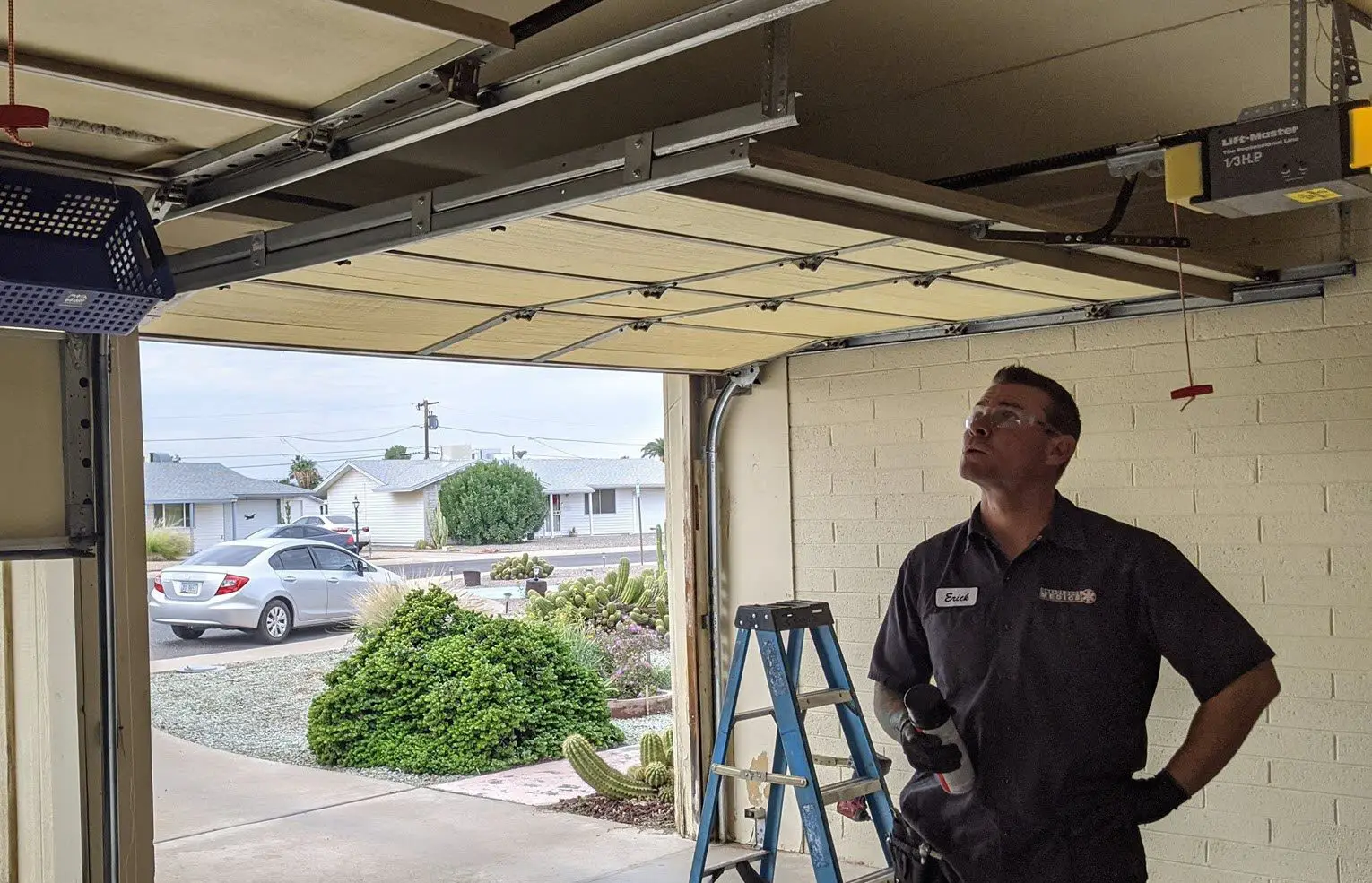
Electronic garage door openers aren’t immune to coastal damage. Salt air corrodes electrical connections and metal gears inside the motor. Sensors and safety features may malfunction due to corrosion. Additionally, the opener’s chain or belt system can rust. Professional maintenance of your garage door opener ensures reliable operation.
The cumulative effect of these five damage types shortens your garage door’s lifespan significantly. Coastal homeowners face maintenance challenges that inland residents never encounter. However, understanding these vulnerabilities allows you to take preventive action. Early intervention saves thousands in replacement costs.
Warning Signs of Coastal Damage
Catching coastal damage early prevents expensive repairs and safety hazards. Your garage door shows specific symptoms when salt air takes its toll. Learning to recognize these warning signs helps you take action quickly.
Visual clues are often the first indicators of trouble. Look for orange or brown rust spots on metal components. Peeling or bubbling paint signals finish failure. White crusty deposits on hardware indicate salt corrosion. Additionally, check for gaps in weatherstripping or cracked rubber seals. These visible signs mean damage is already underway and needs attention.
Functional problems reveal deeper issues with garage doors in Long Beach. Does your door squeak, grind, or make unusual noises? These sounds indicate corroded rollers and cables. Slow or jerky operation suggests spring or track damage. If your door struggles to open or close completely, don’t wait. Contact professional help immediately to prevent complete failure and avoid safety risks.
Protecting Your Garage Door from Coastal Elements
Prevention is always cheaper than repair when dealing with salt air damage. Regular maintenance extends the life of garage doors in Long Beach significantly. A consistent care routine keeps corrosion at bay.
Start with monthly washing using fresh water and mild soap. This removes salt deposits before they cause damage. After washing, apply lubricant to springs, hinges, and rollers. Use a silicone-based product designed for garage doors. Touch up any paint chips immediately to protect bare metal.
Consider upgrading to rust-resistant materials for better protection. Stainless steel hardware lasts longer in coastal environments. Apply marine-grade protective coatings to vulnerable metal parts. Schedule professional inspections twice yearly to catch hidden problems. Technicians can perform preventive garage door repairs before major failures occur.
When to Call Professional Help
DIY maintenance helps, but some situations require expert intervention. Professionals have the tools and experience to handle complex repairs safely. Knowing when to call for help protects you from injuries and further damage.
Contact professionals immediately if your door won’t open or close properly. Similarly, call if you hear grinding noises or see visible rust damage. Broken springs pose serious safety risks and require immediate attention. Never attempt to repair high-tension springs yourself. Professionals handle these dangerous components safely every day.
Contact us for expert coastal garage door care. Our technicians understand how salt air affects garage doors in Long Beach. We offer 24/7 service with no extra weekend charges.